

One of the most important questions after understanding what a replica watch is comes next: How good is the quality, really?
Some people believe replica watches are disposable items with poor construction. Others claim that modern super clones are indistinguishable from original luxury watches. Both views oversimplify a complex reality.
At Min Luxury, we evaluate replica watch quality through three core pillars:
materials, movement, and finishing.
This article explains each pillar clearly, helping readers understand what determines quality in replica watches in 2026 and how to evaluate them realistically.
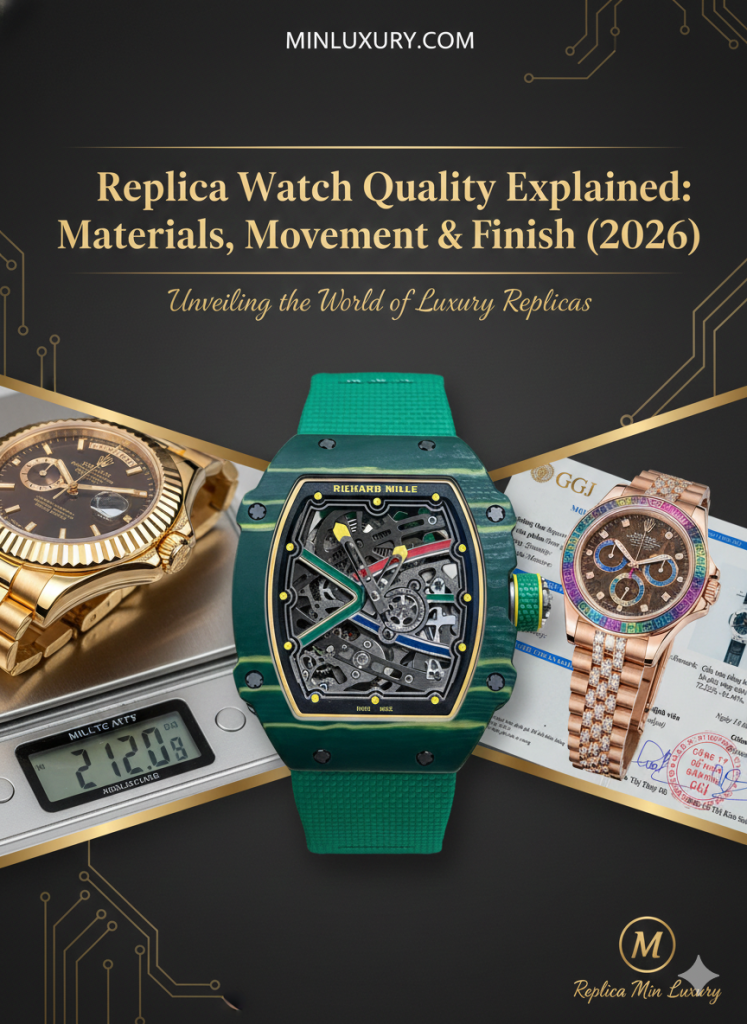
Why replica watch quality varies so much
Replica watches are not produced under a single standard.
Unlike luxury brands that control design, engineering, and quality control in-house, replica manufacturing involves multiple factories, suppliers, and assembly levels.
As a result, two watches that look similar in photos can differ significantly in real-world quality.
Understanding quality requires breaking it down into measurable components.
Pillar 1: Materials used in replica watches
Materials define how a watch looks, feels, and ages over time.
Case material
Higher-quality replica watches typically use solid stainless steel cases. This provides:
– Proper weight
– Structural rigidity
– Better wear resistance
Lower-quality replicas may use lightweight alloys or plated metals, which can wear quickly and feel hollow.
Case material directly affects durability and wrist feel.
Crystal: sapphire vs mineral glass
Crystal quality is one of the easiest indicators of replica watch quality.
High-quality replicas use:
– Sapphire crystal
– Scratch resistance
– Clear optical properties
Lower-quality replicas use:
– Mineral glass
– Softer surface
– Higher scratch risk
Sapphire crystal significantly improves long-term appearance.
Bezel materials
Bezel construction varies widely.
Higher-end replicas often use:
– Ceramic bezels
– Proper engraving depth
– Clean edge finishing
Lower-end replicas may use:
– Painted metal
– Inconsistent markings
Bezel quality is especially important for sports watch replicas.
Bracelet and strap materials
Bracelet quality is frequently underestimated.
High-quality replicas use:
– Solid metal links
– Smooth articulation
– Secure clasp mechanisms
Lower-quality replicas may use:
– Hollow links
– Sharp edges
– Loose clasps
Bracelet comfort and durability strongly influence daily wear experience.
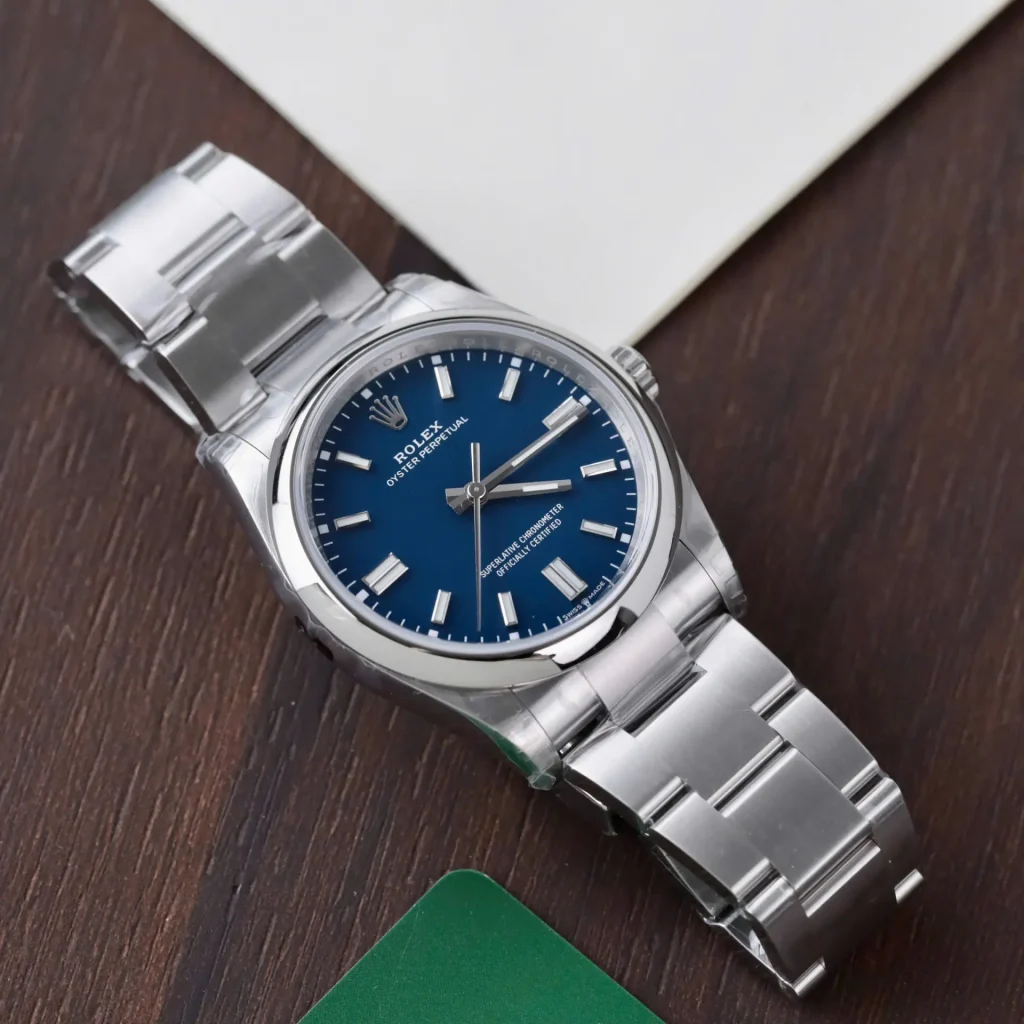
Pillar 2: Movement quality explained clearly
The movement is the heart of any mechanical watch and the most important quality factor.
Types of movements used in replica watches
Replica watches typically use one of three movement types:
– Generic automatic movements
– Modified third-party movements
– Cloned mechanical movements
Each type offers a different balance of cost, reliability, and visual accuracy.
Generic automatic movements
These movements are chosen for affordability and availability.
Pros:
– Low cost
– Easy replacement
Cons:
– Lower accuracy
– Shorter lifespan
– Limited complication support
They are common in entry-level replicas.
Modified third-party movements
These movements are adjusted to match hand positions or date layouts.
Pros:
– Improved visual accuracy
– Better reliability than generic movements
Cons:
– Still not proprietary
– Variable finishing quality
These are often found in mid-grade replicas.
Cloned mechanical movements (super clones)
Cloned movements are designed to replicate the appearance and function of original calibers.
Pros:
– Accurate hand placement
– Functional complications
– Better visual realism
Cons:
– More complex
– Higher cost
– Requires careful assembly
Movement quality directly impacts reliability, thickness, and serviceability.
Accuracy and reliability expectations
Replica watch movements can be accurate, but expectations must remain realistic.
High-end replicas may keep good time when properly regulated. However:
– Tolerances are wider
– Shock resistance may be lower
– Long-term durability varies
Replica movements are not engineered for decades of continuous use.
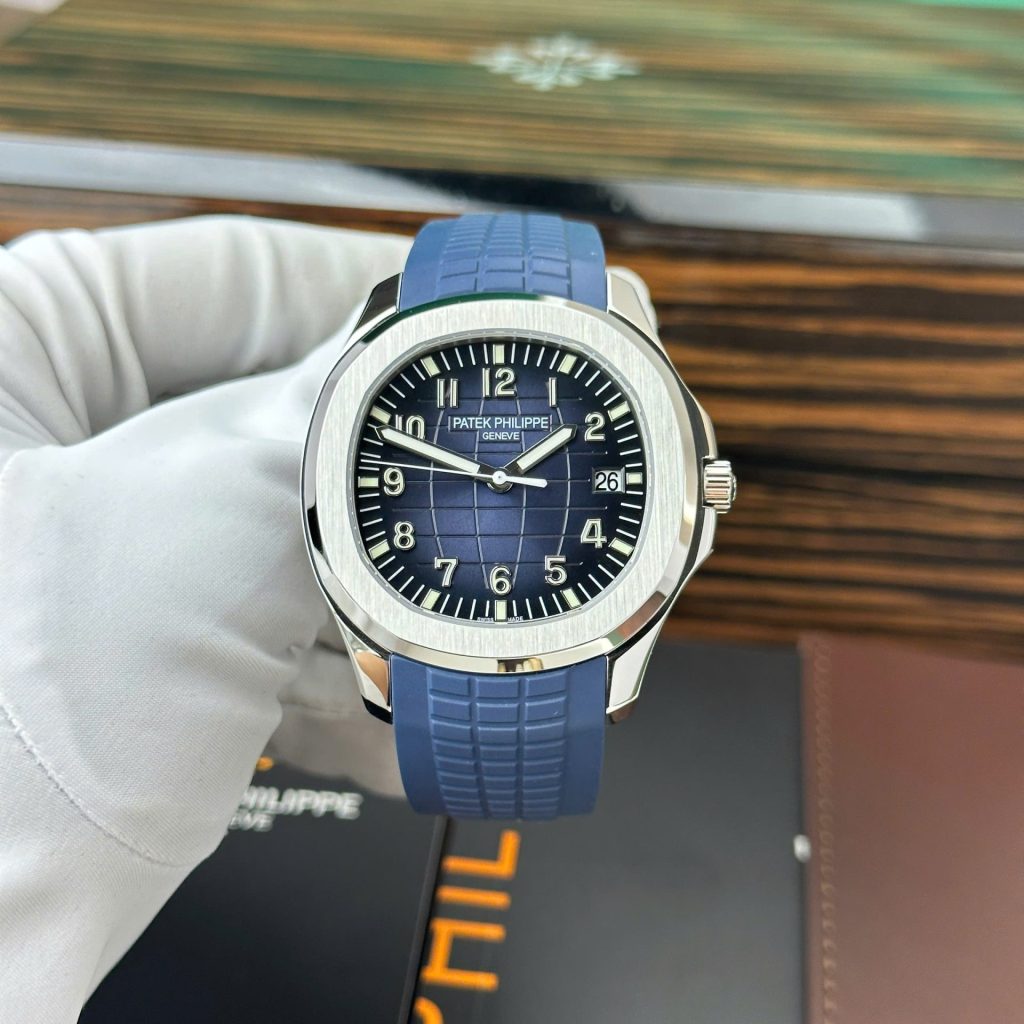
Pillar 3: Finishing and assembly quality
Finishing determines how refined a watch appears under close inspection.
Case finishing
High-quality replicas focus on:
– Smooth brushing
– Clean polishing transitions
– Proper edge definition
Lower-quality replicas often show:
– Rough surfaces
– Uneven finishing
– Sharp edges
Case finishing directly affects perceived quality.
Dial quality
The dial is the most visually important component.
High-end replicas aim for:
– Correct font shapes
– Accurate spacing
– Applied indices
– Consistent lume application
Dial inaccuracies are among the most common tells in lower-quality replicas.
Hand finishing
Hands should be:
– Properly polished
– Correctly sized
– Smoothly installed
Poor hand finishing is noticeable even without magnification.
Assembly and quality control
Assembly quality varies significantly.
High-end replicas undergo:
– More careful assembly
– Basic inspection processes
Lower-end replicas may be assembled quickly with minimal checks.
Assembly quality affects alignment, reliability, and overall feel.
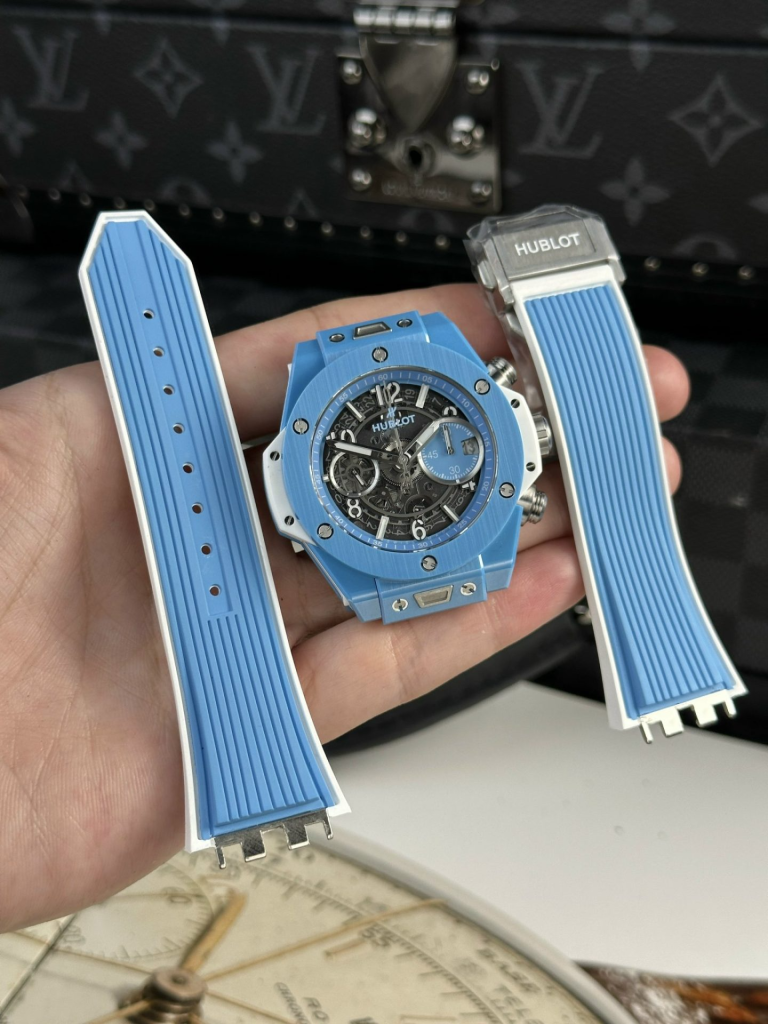
Weight, balance, and wrist feel
Quality is not only visual.
High-quality replicas feel:
– Solid
– Balanced
– Comfortable during extended wear
Lower-quality replicas may feel:
– Light
– Unstable
– Fatiguing over time
Wrist feel often reveals internal construction differences.
Durability and expected lifespan
Replica watches are not designed as lifetime products.
With proper care:
– High-end replicas can last several years
– Mid-grade replicas may last a shorter period
Durability depends on:
– Movement quality
– Usage frequency
– Maintenance habits
Replica watches should be viewed as design-focused accessories, not heirlooms.
Common myths about replica watch quality
“All replicas use cheap materials”
False. Material quality varies widely.
“Movement doesn’t matter”
False. Movement quality is critical.
“High price always means high quality”
False. Price does not guarantee consistency.
Understanding these myths prevents poor evaluations.
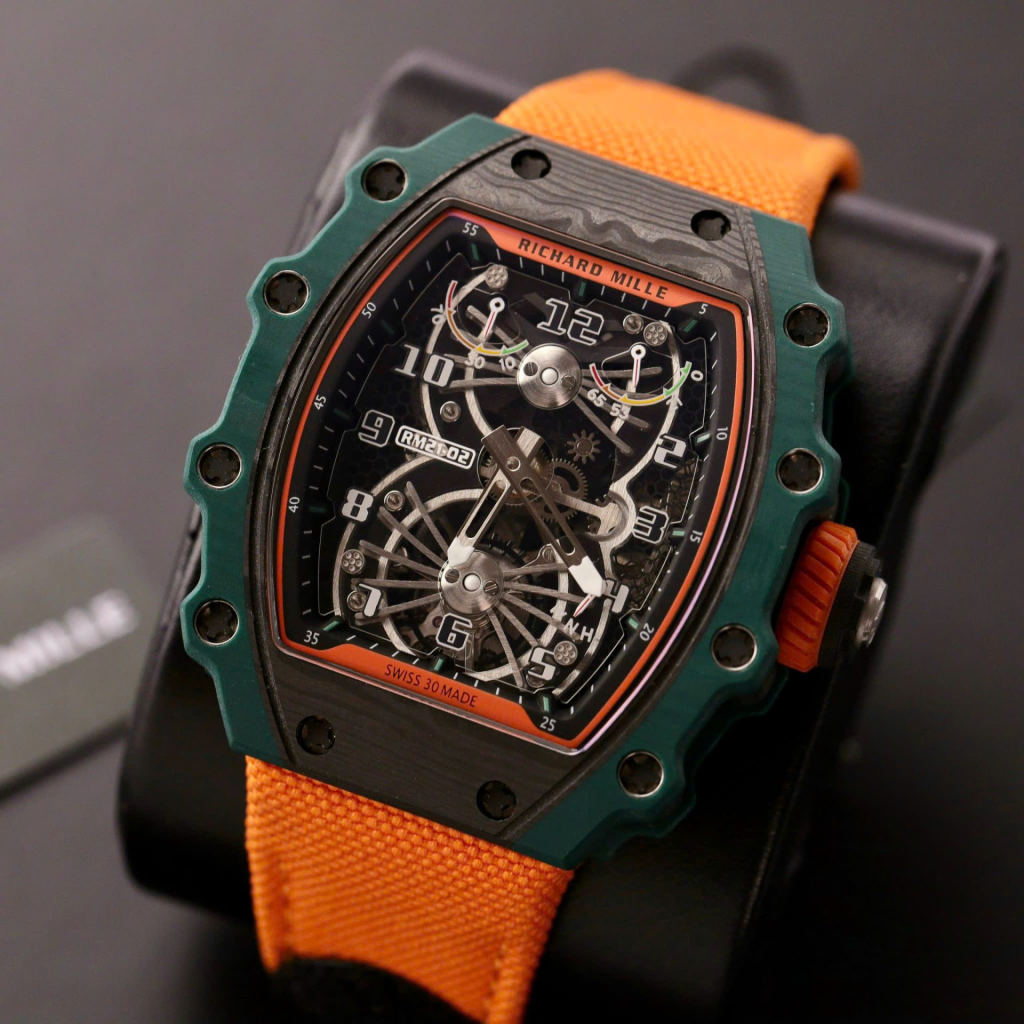
How experts evaluate replica watch quality
Experts assess replica watches holistically by examining:
– Materials
– Movement behavior
– Finishing consistency
– Assembly accuracy
No single factor defines quality.
Pattern recognition matters more than isolated features.
Who should care most about quality?
Quality matters most to users who:
– Wear watches daily
– Value comfort and durability
– Appreciate mechanical detail
For occasional wear, visual quality may matter more than mechanical depth.
Why understanding quality protects buyers
Most dissatisfaction comes from mismatched expectations.
Understanding materials, movement, and finishing helps buyers:
– Evaluate realistically
– Avoid exaggerated claims
– Make informed comparisons
Education reduces disappointment.

Final thoughts from Min Luxury
Replica watch quality is determined by materials, movement, and finishing.
High-end replicas can offer impressive craftsmanship and visual realism, but they are not equivalent to original luxury watches in engineering, longevity, or service support.
At Min Luxury, our goal is to provide clear, structured knowledge so readers can evaluate replica watches objectively and responsibly.
This article completes a key part of our Week 1 educational series and prepares readers for deeper discussions on factories, models, and buyer guides.