

Replica watches are one of the most searched topics in the luxury watch market. Every year, millions of users search for terms such as “replica watch,” “1:1 replica,” or “super clone watch,” yet most available information is either misleading or overly promotional.
This guide explains exactly what a replica watch is, how it differs from original luxury watches, and what beginners need to understand before forming any opinion.

What is a replica watch?
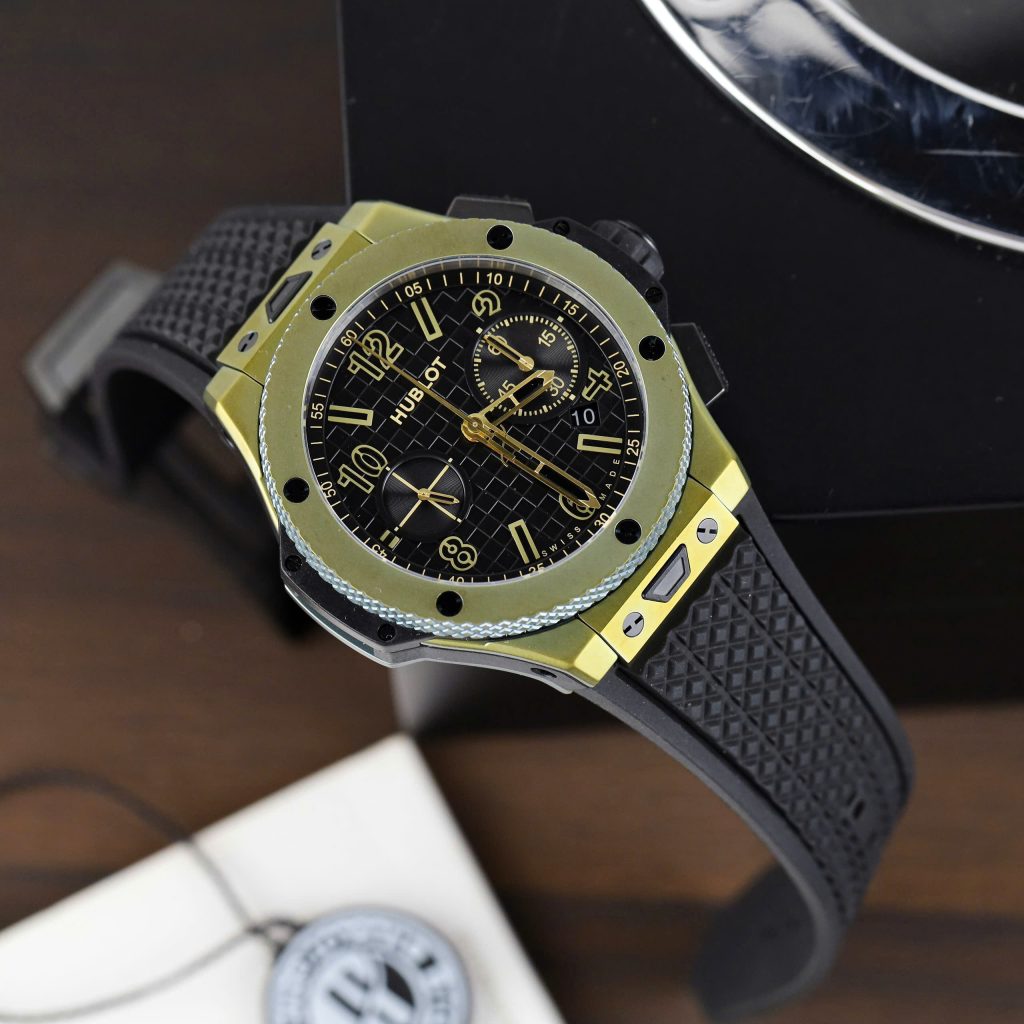
A replica watch is a timepiece designed to imitate the appearance of a luxury watch model. It recreates visual elements such as case shape, dial layout, bezel design, bracelet structure, and overall proportions.
Replica watches are not produced or authorized by the original brand. They are manufactured independently and focus on visual similarity rather than brand authenticity.
The term “replica watch” describes a category, not a specific quality level.
Why replica watches exist
Luxury watches are expensive due to brand value, limited availability, and high production costs. Many popular models are difficult to purchase at retail or require long waiting periods.
Replica watches exist to meet demand for luxury designs at a more accessible price point. Buyers are primarily interested in design, presence, and style, rather than brand ownership.
Who typically buys replica watches?
Replica watch buyers are not a single group. Common buyer profiles include:
– Beginners exploring luxury watch designs
– Users who prioritize aesthetics over brand prestige
– Individuals seeking a daily-wear alternative
– Collectors who understand the difference but choose replicas for practical reasons
Replica watches are purchased for personal use, not as investments.
Replica watch vs homage watch
A replica watch attempts to closely recreate a specific luxury model.
An homage watch uses design inspiration but carries its own branding and modified design elements.
This distinction is important because replicas aim for high visual similarity, while homage watches maintain a separate identity.
Replica watch quality levels explained
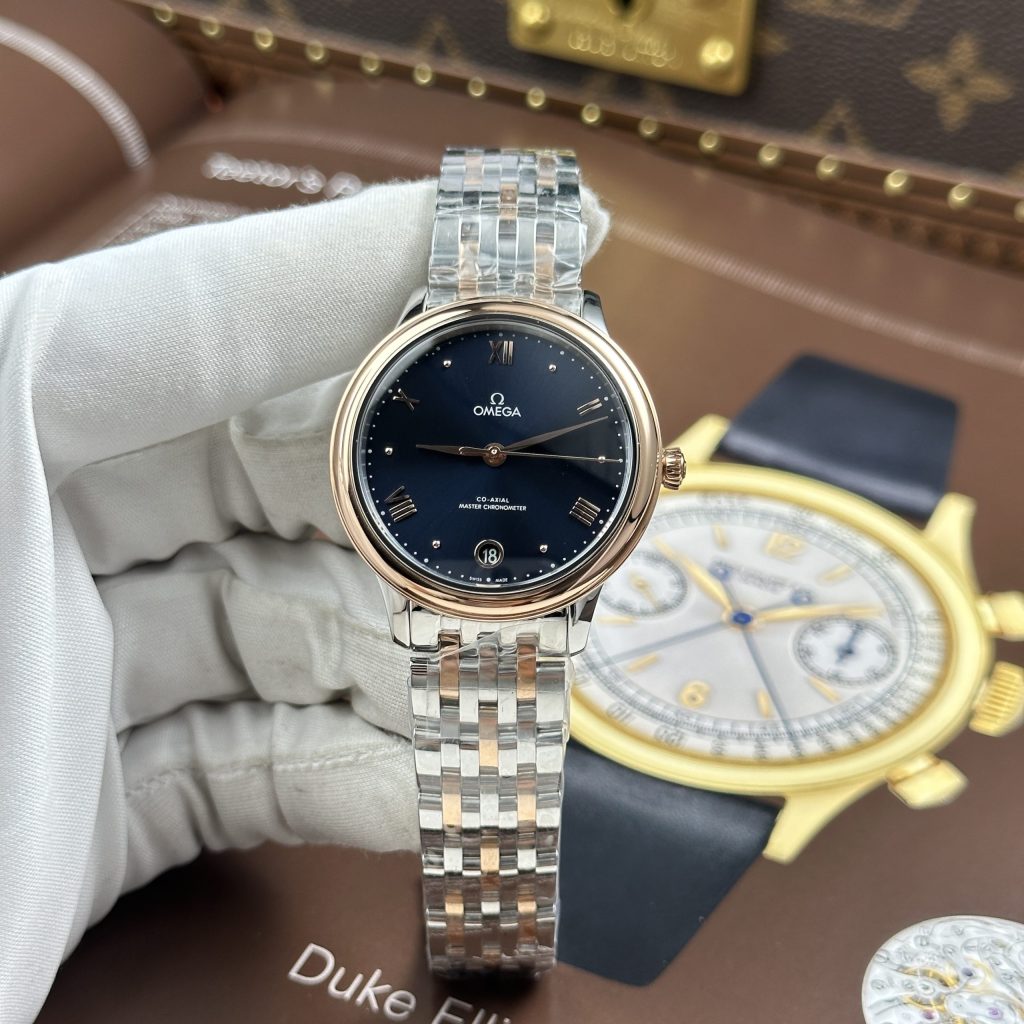
Replica watches vary significantly in quality. They generally fall into three categories.
Low-grade replicas
– Poor materials
– Inaccurate proportions
– Basic movements
– Short lifespan
Mid-grade replicas
– Improved materials
– Automatic movements
– Better appearance
– Inconsistent detailing
High-end replicas (super clone watches)
– Accurate case dimensions
– Sapphire crystal
– High-quality steel
– Detailed dial finishing
– Complex mechanical movements
Quality depends on manufacturing standards, not the word “replica” itself.
What does “1:1 replica” mean?
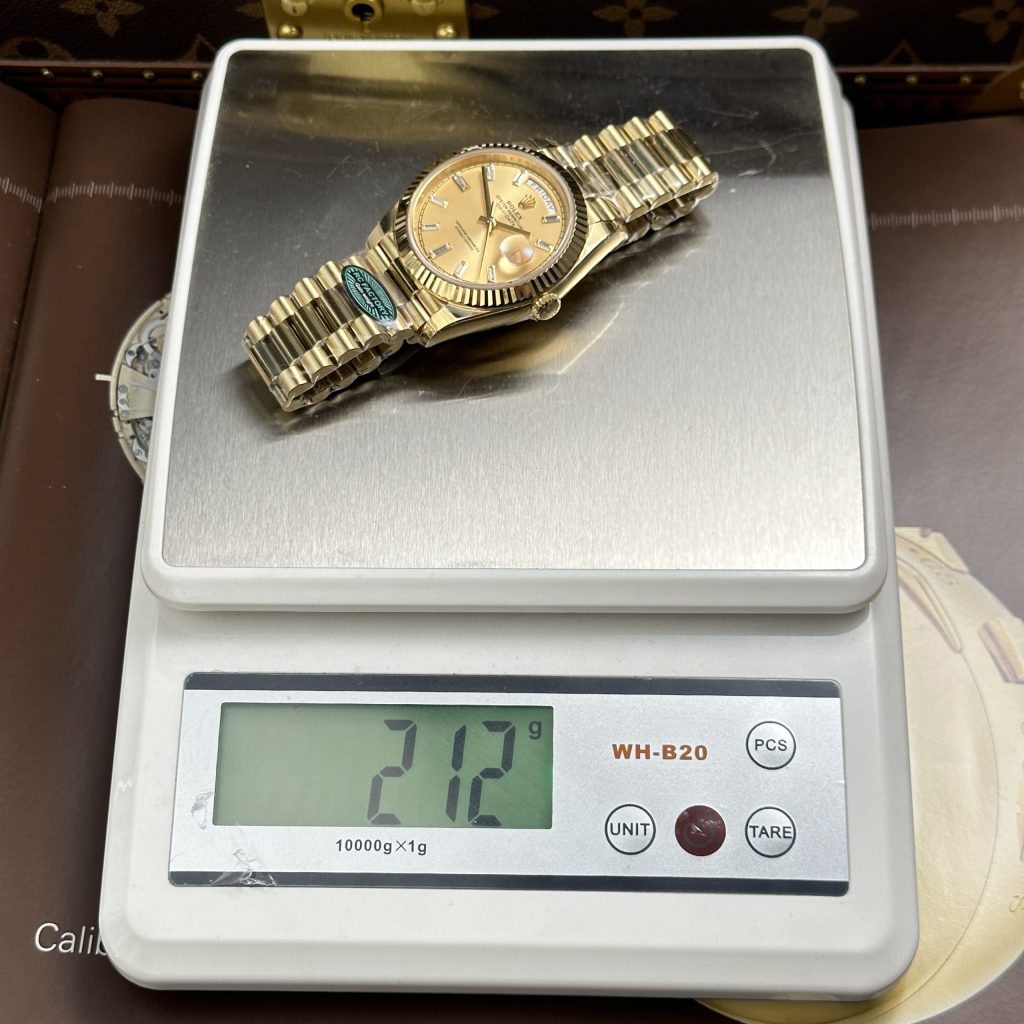
“1:1 replica” is a marketing term used to describe watches that closely match the original in size and appearance.
It does not guarantee identical materials, movement architecture, or manufacturing standards. The term should be understood as a relative comparison, not an absolute claim.
Are replica watches fake?
Replica watches are not original luxury products.
However, calling all replicas “cheap fakes” is inaccurate. Modern high-end replicas can be visually convincing and mechanically functional.
Replica watches should be evaluated based on quality and accuracy, not assumptions.
Materials used in replica watches
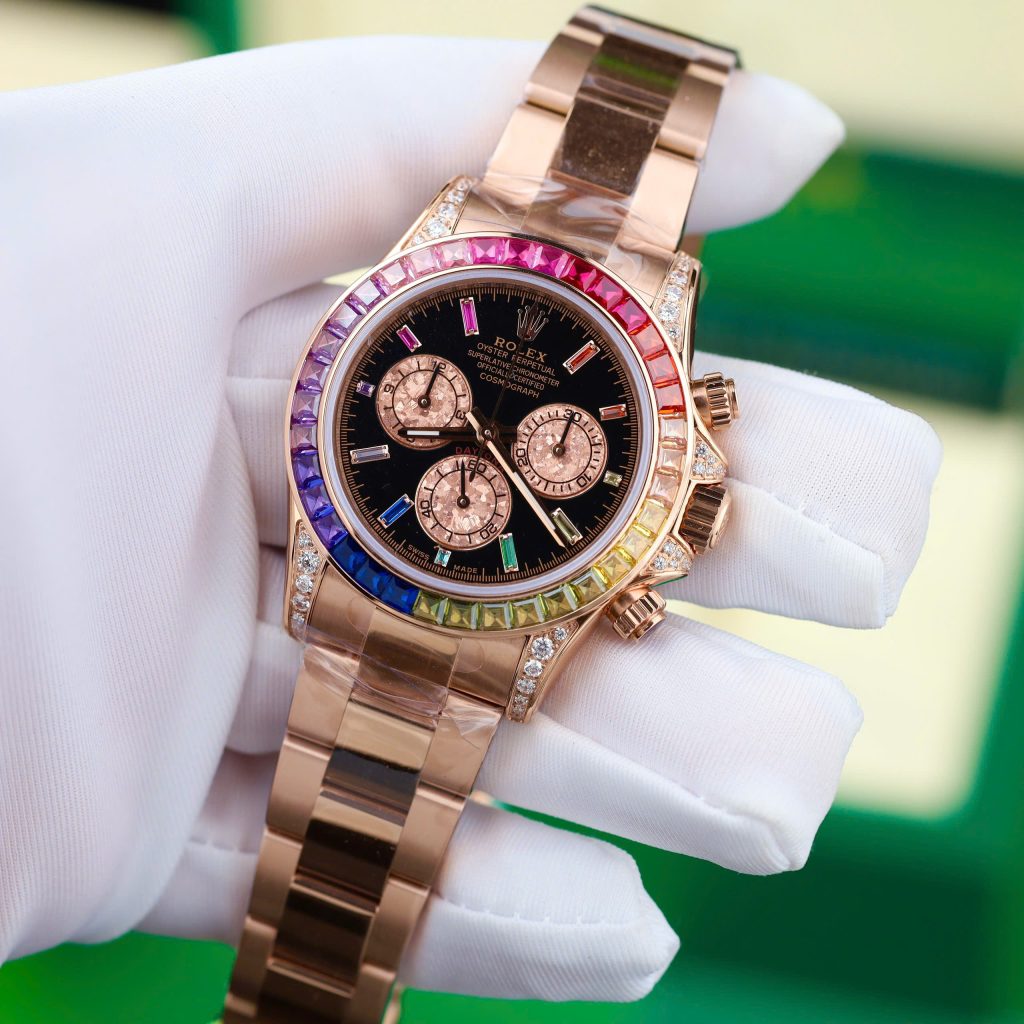
Higher-quality replicas commonly use:
– Stainless steel cases
– Sapphire crystal glass
– Ceramic bezels
– Solid metal bracelets
Lower-quality replicas may use plated metals or mineral glass.
Materials influence weight, durability, and overall feel.
Movements inside replica watches
Replica watches use third-party or cloned mechanical movements designed to replicate functionality.
They do not use proprietary in-house movements found in original luxury watches.
Accuracy can be good, but longevity and serviceability vary.
Movement quality is a key factor in overall replica watch performance.
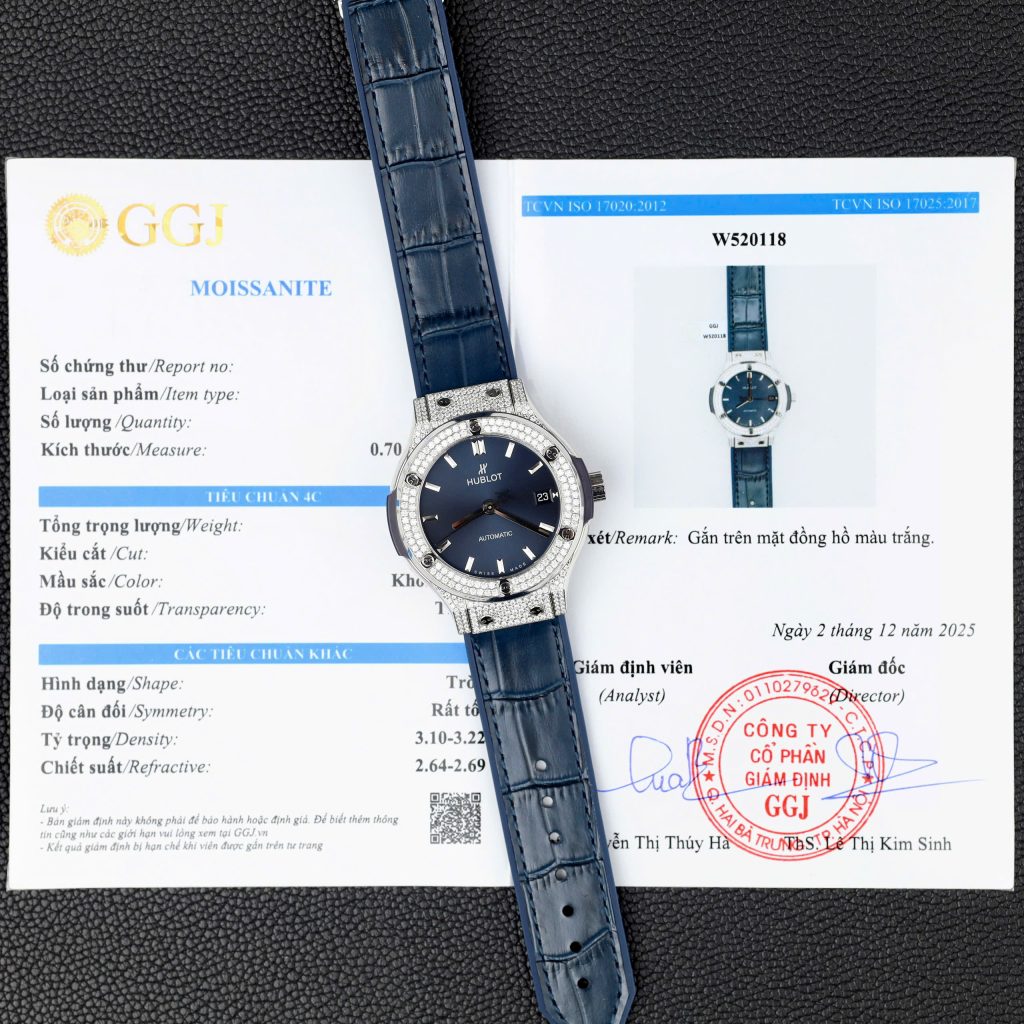
Finishing and detail accuracy
High-end replicas focus heavily on visible finishing, including:
– Dial printing
– Hand alignment
– Bezel engraving
– Case polishing
Under magnification, differences from originals can still be detected by experts.
Durability and lifespan
Replica watches are not designed to last generations.
With proper care, high-end replicas can function reliably for several years. Lifespan depends on movement quality, usage frequency, and maintenance.
Common misconceptions about replica watches
All replica watches are low quality
→ False. Quality varies widely.
Replicas are identical to originals
→ False. Differences always exist.
Replica buyers intend to deceive others
→ False. Many buyers are transparent about their choice.
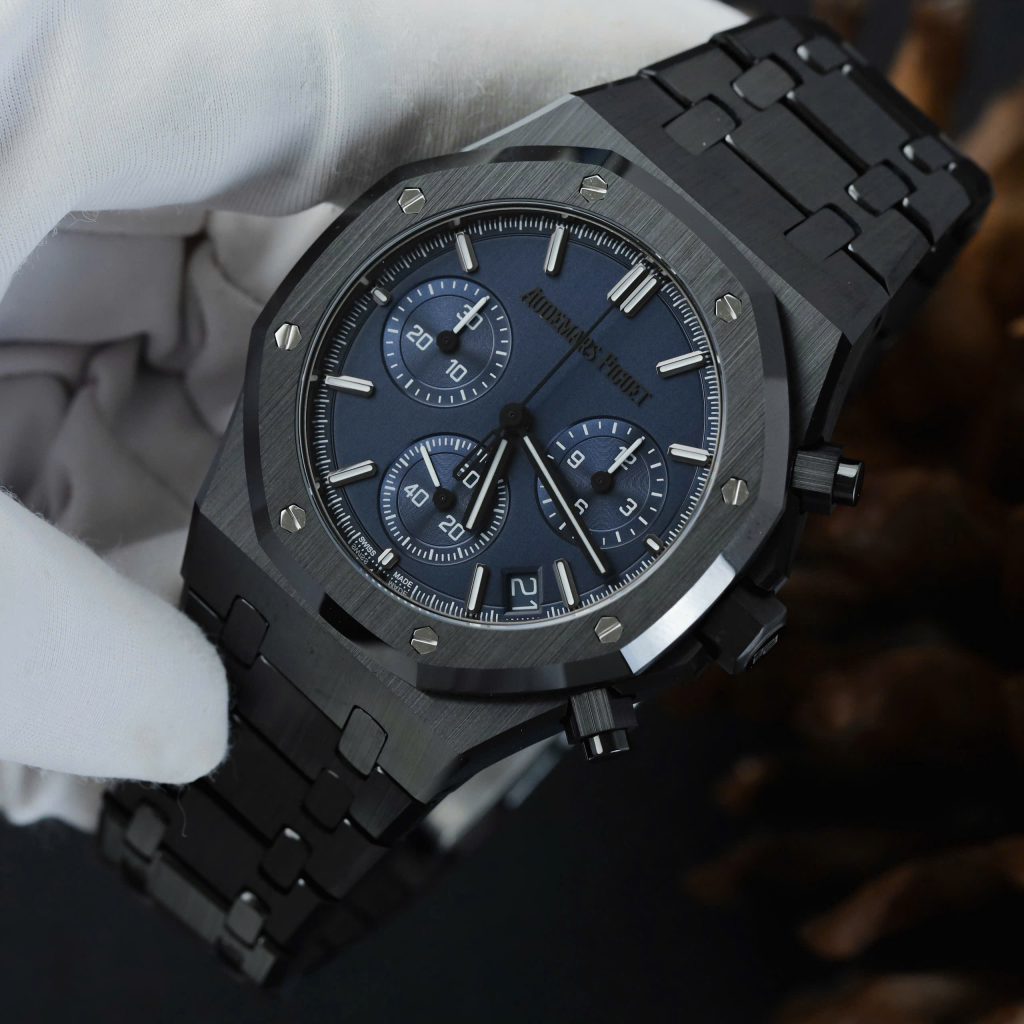
Final summary
A replica watch is a non-branded, independently produced timepiece designed to imitate the appearance of a luxury watch model.
Replica watches vary greatly in quality, materials, and performance. They are alternatives for design-focused users, not replacements for original luxury watches.
Understanding what a replica watch truly is helps beginners make informed decisions and avoid unrealistic expectations.