

As the replica watch market evolves, one term appears more frequently than any other: super clone. Many people assume that all replica watches are the same, while others believe that super clones are “identical to originals.”
Both assumptions are incorrect.
At Min Luxury, we aim to explain the topic clearly and realistically. This guide breaks down the real differences between a standard replica watch and a super clone watch, focusing on construction, materials, movements, finishing, durability, and expectations in 2026.
This article is educational and informational only.

What does “replica watch” mean in general?
A replica watch is a timepiece designed to imitate the visual appearance of a luxury watch model. The term “replica” refers to a broad category that includes many quality levels.
Most replica watches focus on:
– External design similarity
– Recognizable luxury aesthetics
– Affordable production
Replica watches do not aim to reproduce proprietary engineering or long-term durability. Visual resemblance is the primary objective.
What is a super clone watch?
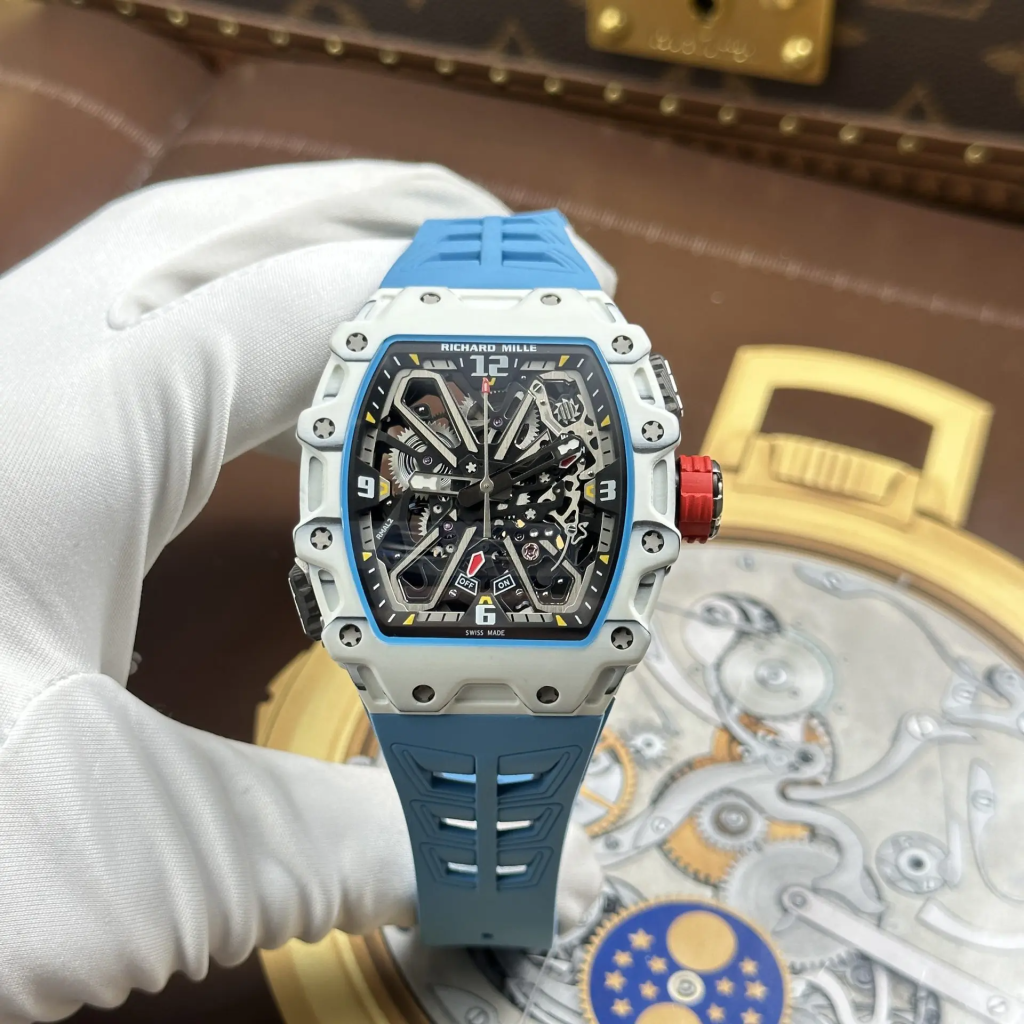
A super clone watch is a high-end subset of replica watches.
Unlike standard replicas, super clones are engineered with the goal of replicating not only the external appearance, but also:
– Exact case dimensions
– Weight and balance
– Dial thickness and spacing
– Functional complications
– Movement layout visibility
Super clones require significantly more time, research, and cost to produce.
In simple terms, all super clones are replicas, but not all replicas are super clones.

Core difference: design philosophy
The fundamental difference between a replica watch and a super clone lies in design intent.
Standard replica watches aim to look similar from a normal viewing distance. Accuracy under close inspection is not the primary concern.
Super clone watches aim to replicate the original as closely as possible in form, function, and wrist presence. Visual accuracy under close inspection is a key objective.
This difference in philosophy affects every aspect of production.
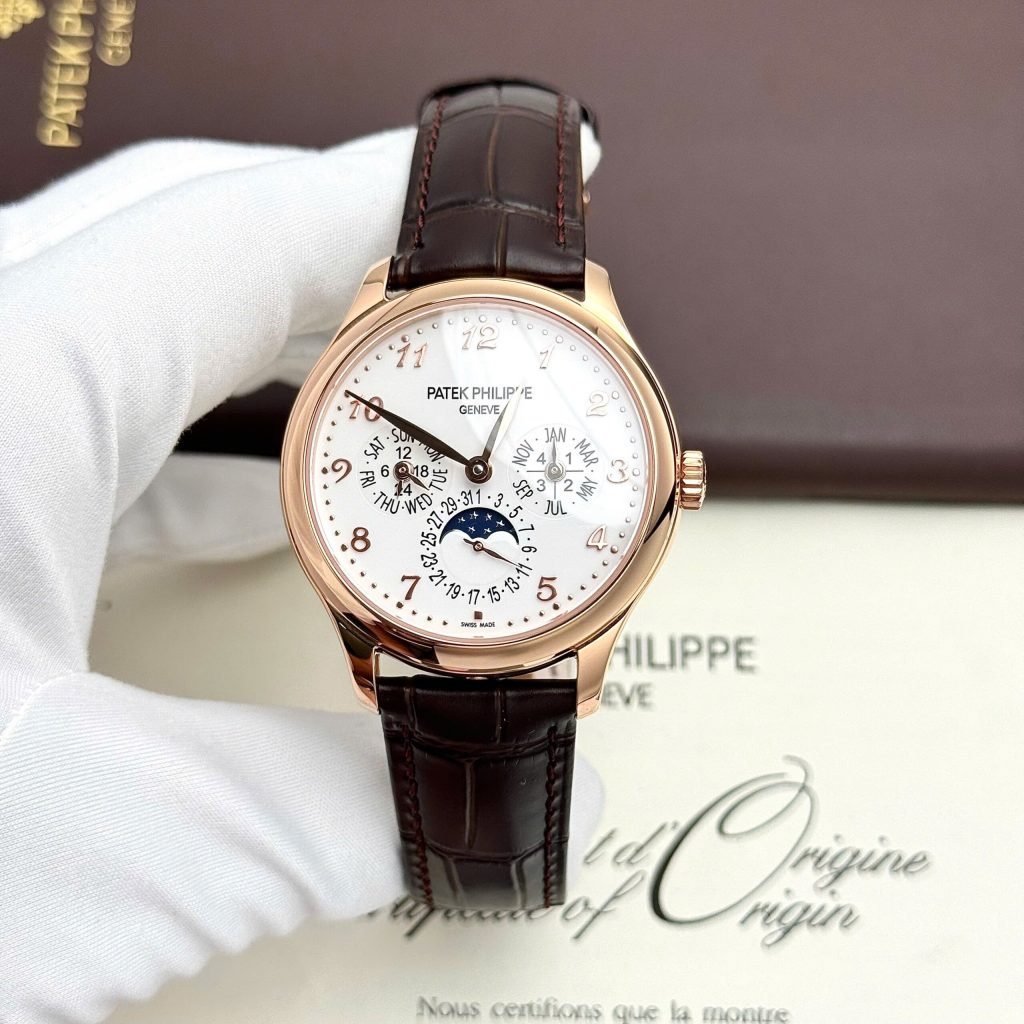
Case dimensions and proportions
Case accuracy is one of the most noticeable differences.
Standard replicas may be slightly thicker, thinner, or wider than the original. These deviations are often subtle but noticeable to experienced collectors.
Super clones are measured against original watches using precise tools. Case diameter, lug width, thickness, and bezel proportions are carefully matched.
Correct proportions significantly affect how the watch looks and feels on the wrist.
Materials used: replica vs super clone
Material choice is another major distinction.
Standard replicas typically use:
– Basic stainless steel
– Mineral glass or lower-grade sapphire
– Plated or coated components
Super clones commonly use:
– High-grade stainless steel
– Sapphire crystal with proper coating
– Ceramic bezels
– Solid metal bracelets
While materials may look similar visually, durability, weight, and wear resistance differ substantially.
Dial quality and detailing
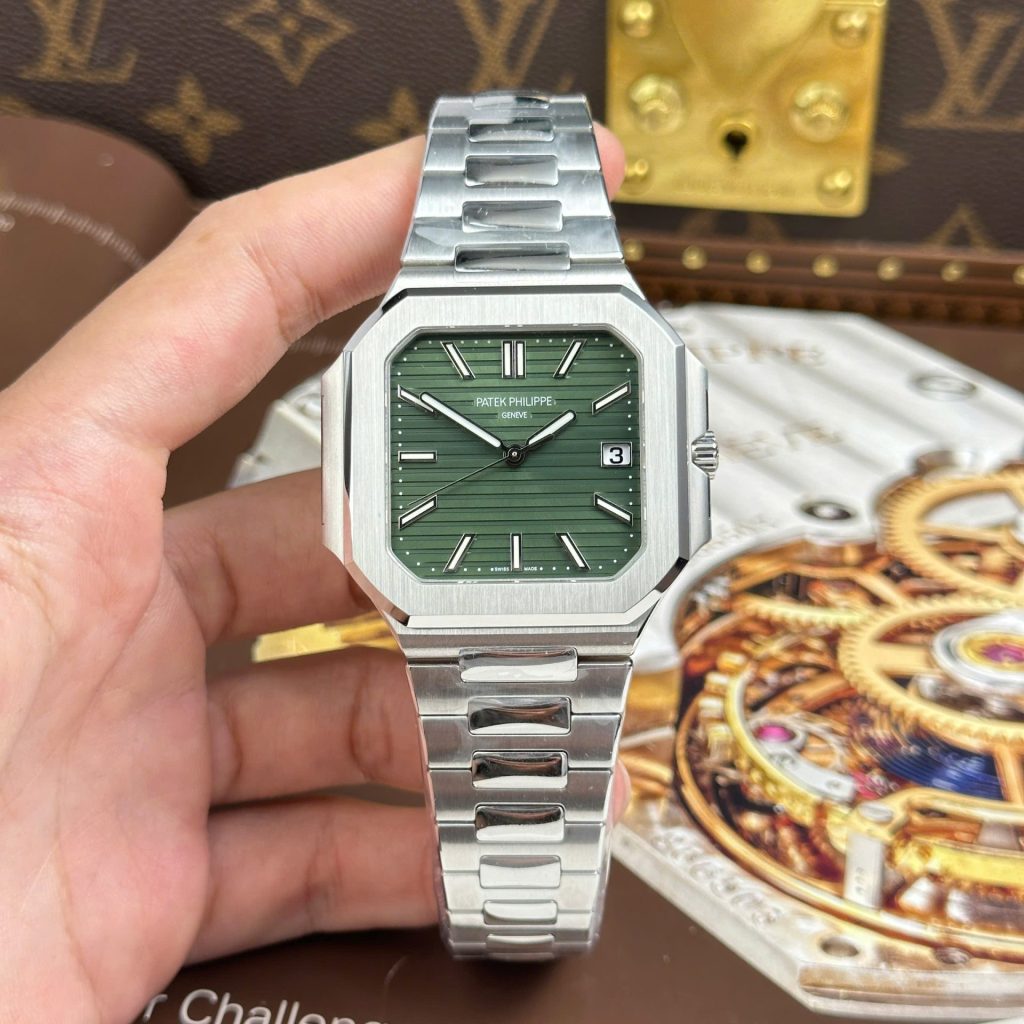
The dial is the most visually critical part of any watch.
Standard replicas often have:
– Inconsistent font thickness
– Incorrect spacing
– Flat printing
– Simplified markers
Super clones focus heavily on dial accuracy, including:
– Correct font shape and spacing
– Applied indices
– Layered dial construction
– Accurate lume color and brightness
Under magnification, differences may still exist, but super clones are significantly more convincing.
Movement differences explained clearly
The movement is the most important technical difference.
Standard replica watches often use generic automatic movements chosen for cost efficiency rather than accuracy.
Super clone watches use cloned or heavily modified movements designed to mimic:
– Hand positions
– Complication functions
– Visual layout through casebacks
These movements are engineered to look and function similarly to original calibers, although they do not use proprietary materials or patents.
Movement complexity directly affects cost, thickness, reliability, and serviceability.
Functional complications
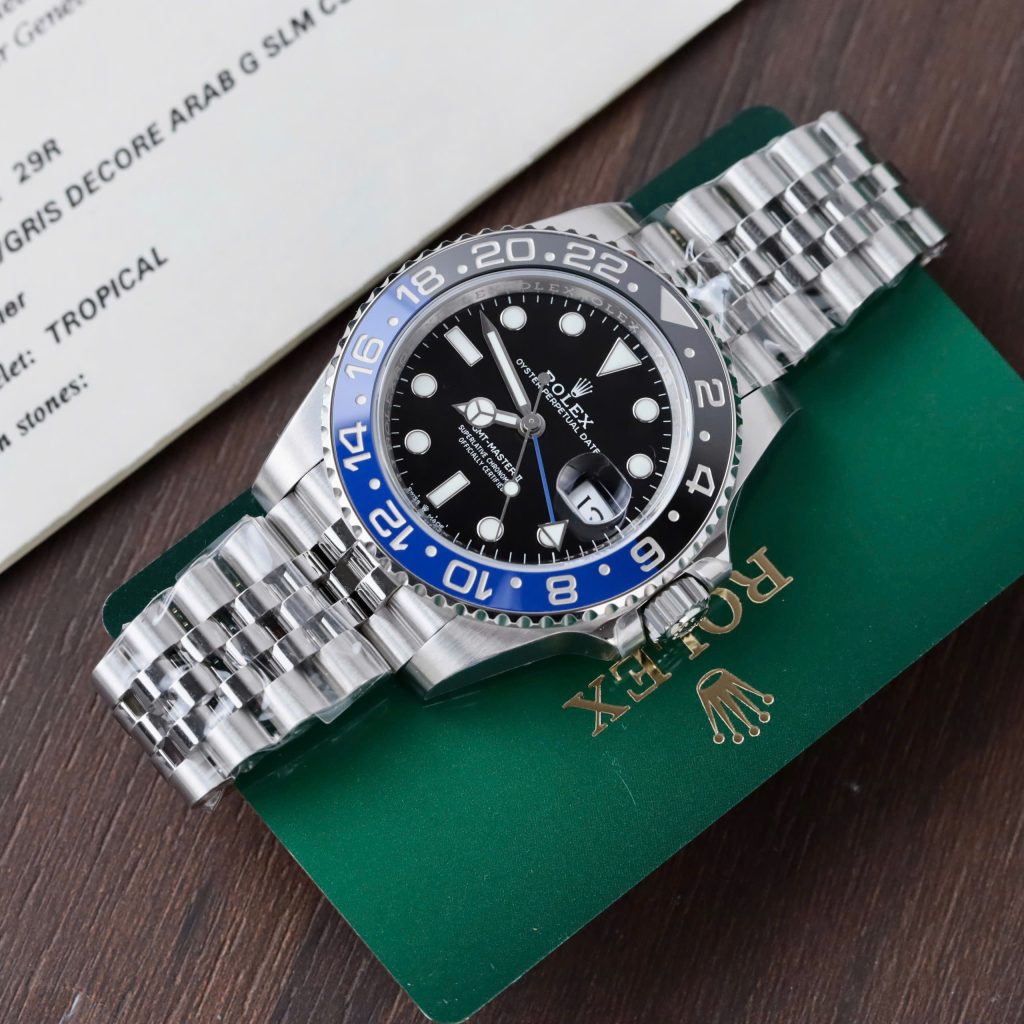
Complications such as chronographs, date functions, and power reserve indicators are another key difference.
Standard replicas may use non-functional or simplified complications.
Super clones aim for fully functional complications that operate similarly to the original watch.
This requires more complex movement architecture and higher production costs.
Finishing and assembly standards
Assembly quality differs significantly.
Standard replicas are assembled quickly with limited quality control.
Super clones undergo more extensive assembly and inspection, focusing on:
– Case finishing
– Bezel alignment
– Hand positioning
– Bracelet articulation
While not equal to original luxury watch standards, super clones show far greater consistency.
Weight, balance, and wrist feel
Wrist feel is influenced by internal construction, movement placement, and material density.
Standard replicas may feel lighter or unbalanced.
Super clones are designed to closely match the original watch’s weight and balance, resulting in a more authentic wearing experience.
This difference becomes noticeable during extended wear.
Durability and expected lifespan
Standard replica watches are not designed for long-term use. Mechanical reliability can vary significantly.
Super clones, when properly assembled and maintained, can function reliably for several years.
However, neither category is intended to match the decades-long lifespan of original luxury watches.
Replica watches should be viewed as wearable luxury-inspired items, not heirloom pieces.
Price difference: why super clones cost more
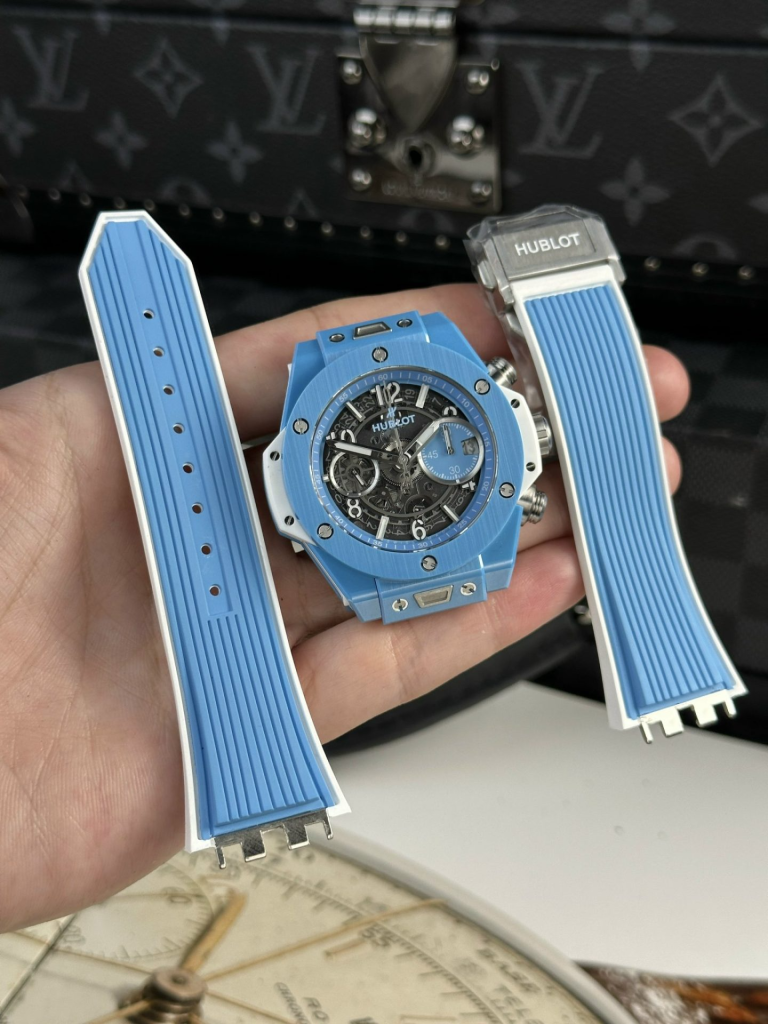
Super clones are significantly more expensive than standard replicas because they require:
– More detailed research
– Higher-grade materials
– Complex movement engineering
– Longer production time
Higher cost reflects production complexity, not brand value.
Understanding this prevents unrealistic expectations.
Who should choose a standard replica watch?
A standard replica watch may suit individuals who:
– Want a general luxury look
– Have limited technical interest
– Prioritize affordability
– Accept visible imperfections
Standard replicas are entry-level products.
Who should consider a super clone watch?
Super clones may appeal to individuals who:
– Value high visual accuracy
– Appreciate mechanical complexity
– Understand the limitations
– Are willing to pay more for detail
Super clones are designed for informed users, not beginners.
Common misconceptions about super clones
“Super clones are identical to originals”
False. Differences always exist under expert inspection.
“All super clones are perfect”
False. Quality still varies by production batch.
“Super clones last as long as originals”
False. Longevity and service support differ significantly.
Why understanding the difference matters
Most dissatisfaction comes from misunderstanding.
Buying a standard replica while expecting super clone accuracy leads to disappointment. Buying a super clone while expecting original-level performance leads to unrealistic expectations.
Clear understanding leads to better decisions.
Final summary from Min Luxury
A super clone is a high-end form of replica watch designed to replicate appearance, proportions, and functionality as closely as possible.
Standard replica watches focus on general appearance, while super clones emphasize accuracy and detail.
Neither category replaces an original luxury watch. They serve different purposes for different users.
At Min Luxury, our mission is to provide clear, structured knowledge so readers can understand these distinctions without confusion.
This article completes a key part of our Week 1 educational series and prepares readers for deeper discussions on quality, identification, and evaluation.