


When comparing a replica watch to an original luxury watch, many people focus only on appearance. At first glance, especially with high-end replicas, the visual similarity can be impressive. However, beyond surface aesthetics, there are important differences that every beginner should understand clearly.
At Min Luxury, we believe that realistic expectations are essential. This guide explains the key differences between replica watches and original luxury watches in a structured, factual, and unbiased way.
This article is educational in nature and is intended to help readers understand the topic before forming any personal opinion.
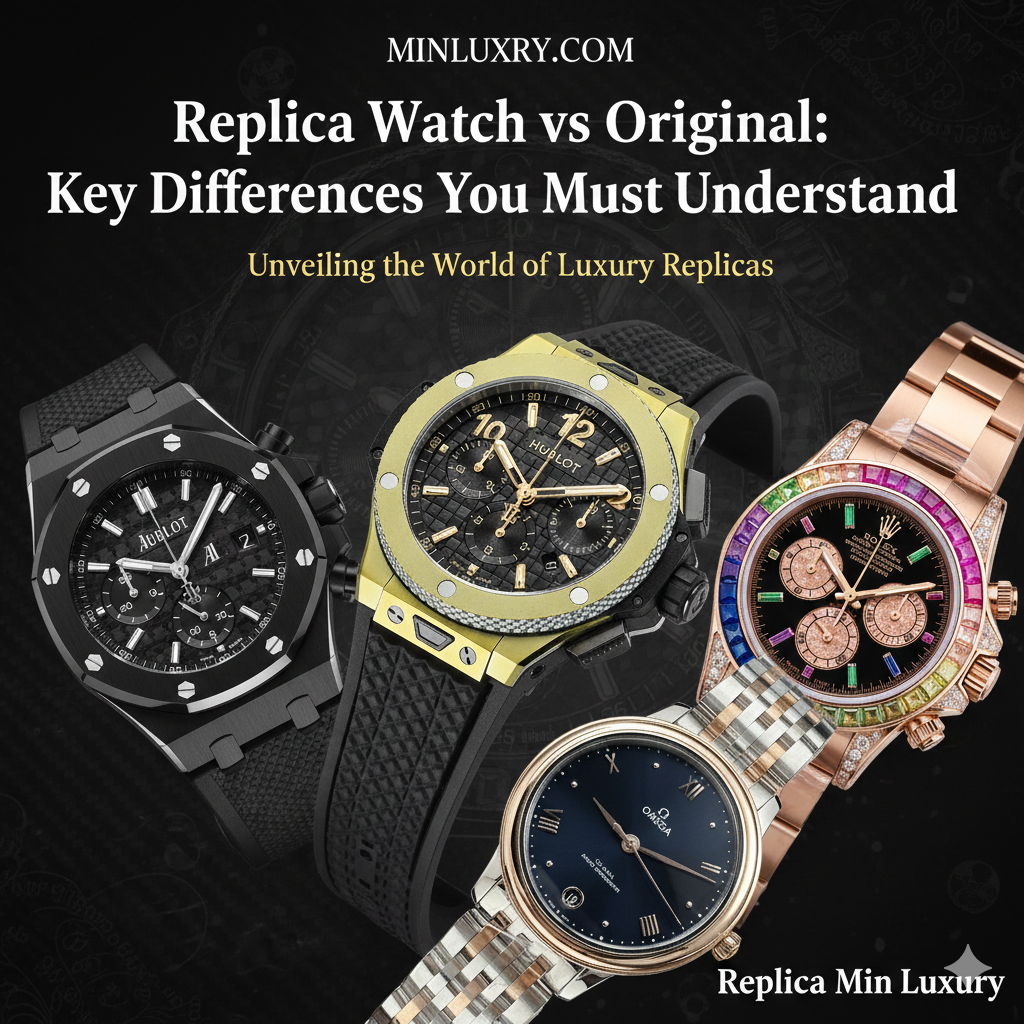
What does “replica watch vs original” really mean?
A replica watch is an independently manufactured timepiece designed to imitate the appearance of a luxury watch model.
An original luxury watch is produced, authorized, and distributed by the brand itself, following proprietary engineering standards, strict quality control, and official service networks.
Although the two may look similar on the wrist, they are fundamentally different products.
Understanding these differences requires examining multiple aspects beyond appearance.
1. Design accuracy and visual similarity
One of the most noticeable similarities between replicas and originals is design.
High-end replicas aim to replicate:
– Case dimensions
– Dial layout and text placement
– Bezel shape and engraving
– Bracelet or strap structure
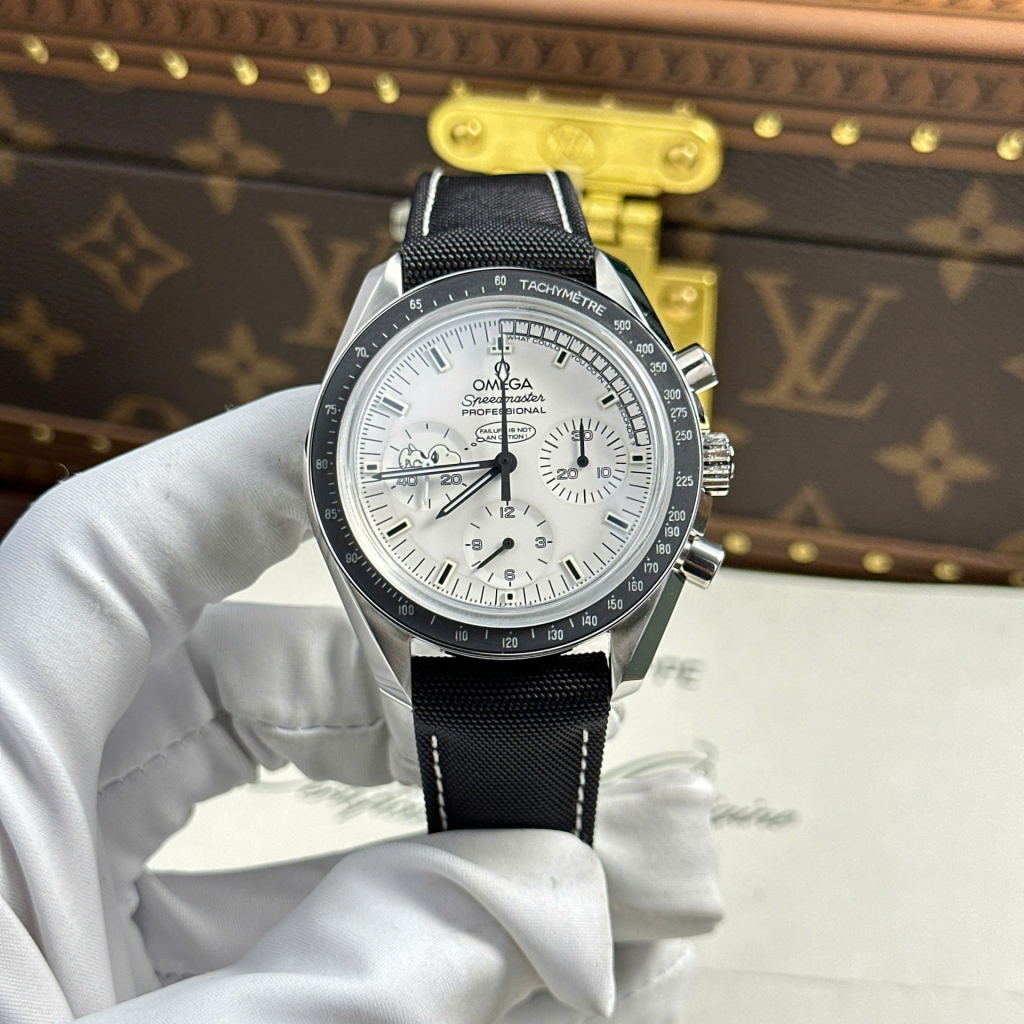
From a normal viewing distance, high-quality replicas can appear extremely convincing.
However, original luxury watches are designed from proprietary blueprints and refined over multiple production cycles. Minor details such as font thickness, spacing, surface finishing, and micro-alignment are often detectable under close inspection or magnification.
Visual similarity does not equal design ownership or engineering equivalence.
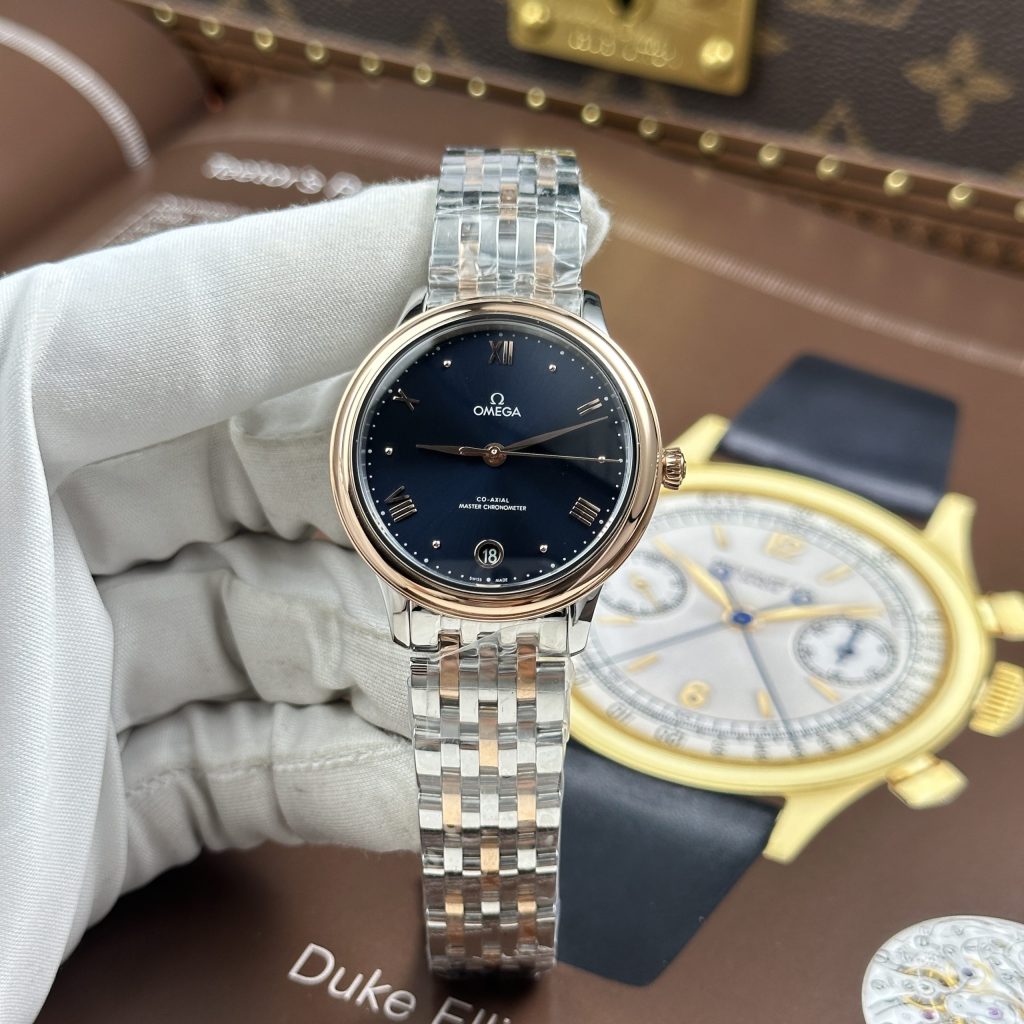
2. Materials and construction
Materials are a major point of difference.
Original luxury watches often use:
– Proprietary steel alloys
– Brand-specific gold compositions
– In-house ceramic formulas
– Custom sapphire treatments
Replica watches typically use industry-standard materials such as stainless steel, sapphire crystal, and ceramic components that visually resemble originals but may differ chemically or structurally.
While the visual effect can be similar, long-term wear resistance and material aging may differ significantly.
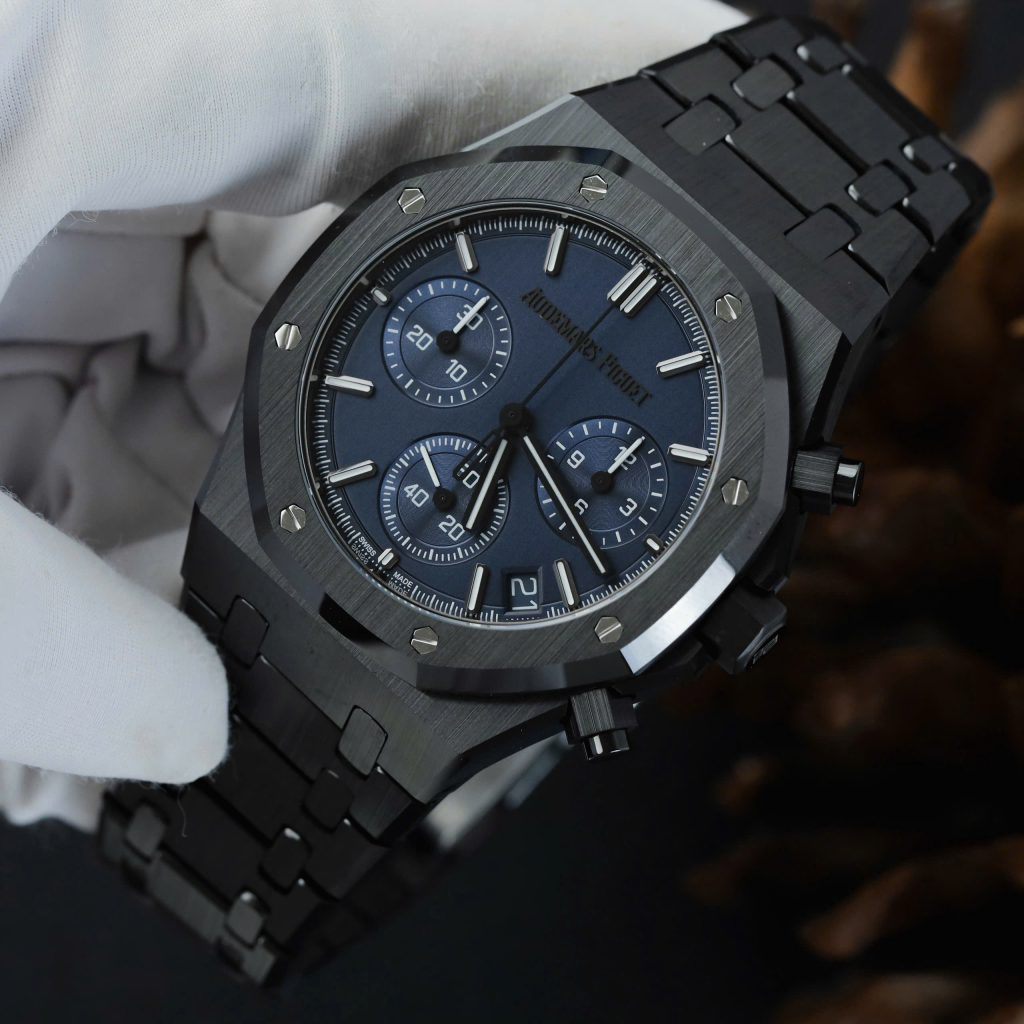
3. Movement and mechanical engineering
The movement is the most important technical difference between a replica watch and an original.
Original luxury watches often feature:
– In-house mechanical movements
– Proprietary architecture
– Extensive testing and certification
– Long-term service support
Replica watches use third-party, modified, or cloned movements designed to replicate functionality and appearance rather than proprietary engineering.
Accuracy can be impressive, but tolerances, shock resistance, and long-term durability are not equivalent.
Movement design is where the largest performance gap exists.
4. Finishing and craftsmanship
Original luxury watches undergo extensive finishing processes, including:
– Hand-polishing and brushing
– Multi-stage quality control
– Precision assembly
– Final inspection and testing
High-end replicas focus primarily on visible finishing areas such as dial appearance, bezel engravings, and case shape.
Under magnification, trained experts can identify differences in edge sharpness, surface transitions, and internal finishing.
Craftsmanship consistency is typically higher in original watches.
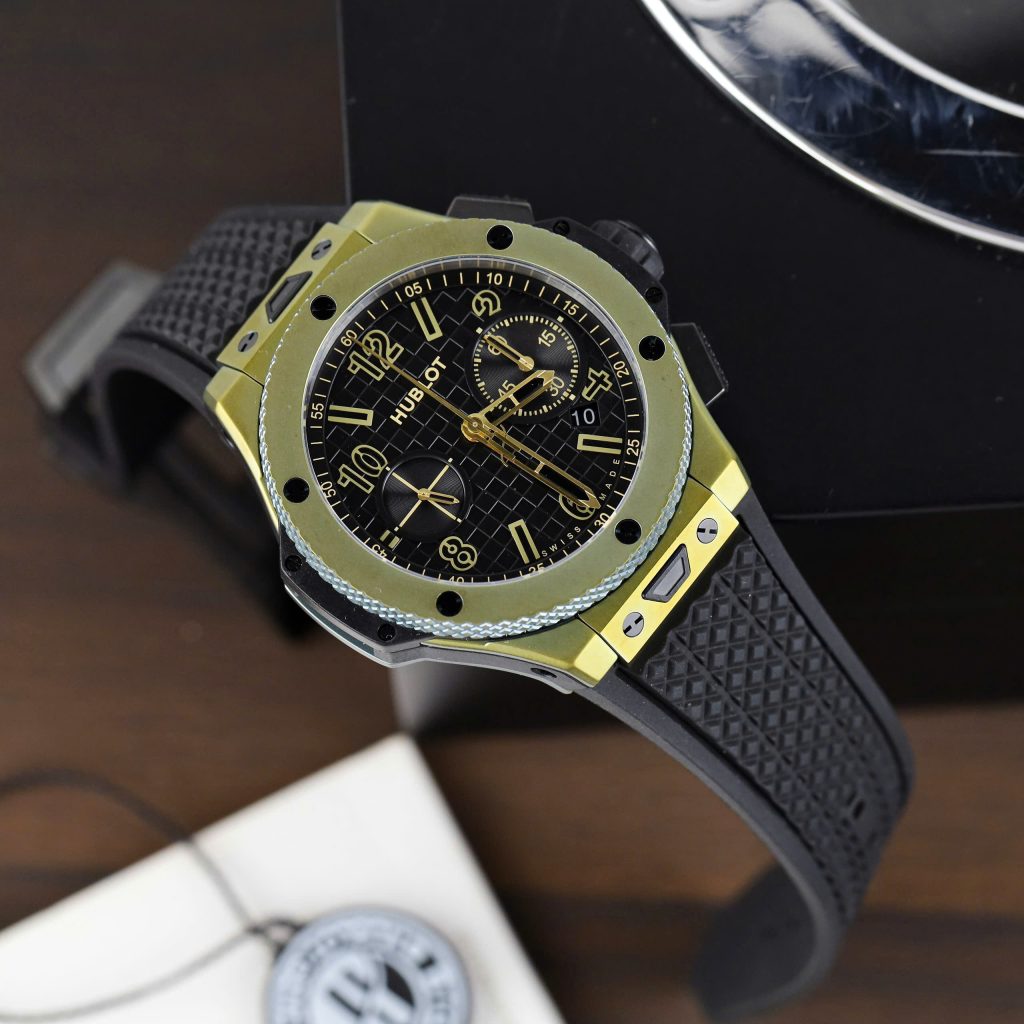
5. Weight, balance, and wrist feel
Wrist feel is often overlooked but important.
Original watches are engineered with precise weight distribution and balance, influenced by movement placement, case construction, and bracelet design.
High-end replicas attempt to match weight and balance closely, but small differences in internal structure can affect how the watch feels during extended wear.
For casual users, differences may be subtle. For experienced collectors, they can be noticeable.
6. Durability and longevity
Original luxury watches are designed to last decades with proper servicing. Brands provide:
– Official service centers
– Replacement parts availability
– Long-term maintenance support
Replica watches do not have official service networks. Durability depends on:
– Movement quality
– Assembly standards
– Usage habits
High-end replicas can function reliably for years, but they are not intended as lifetime or heirloom pieces.
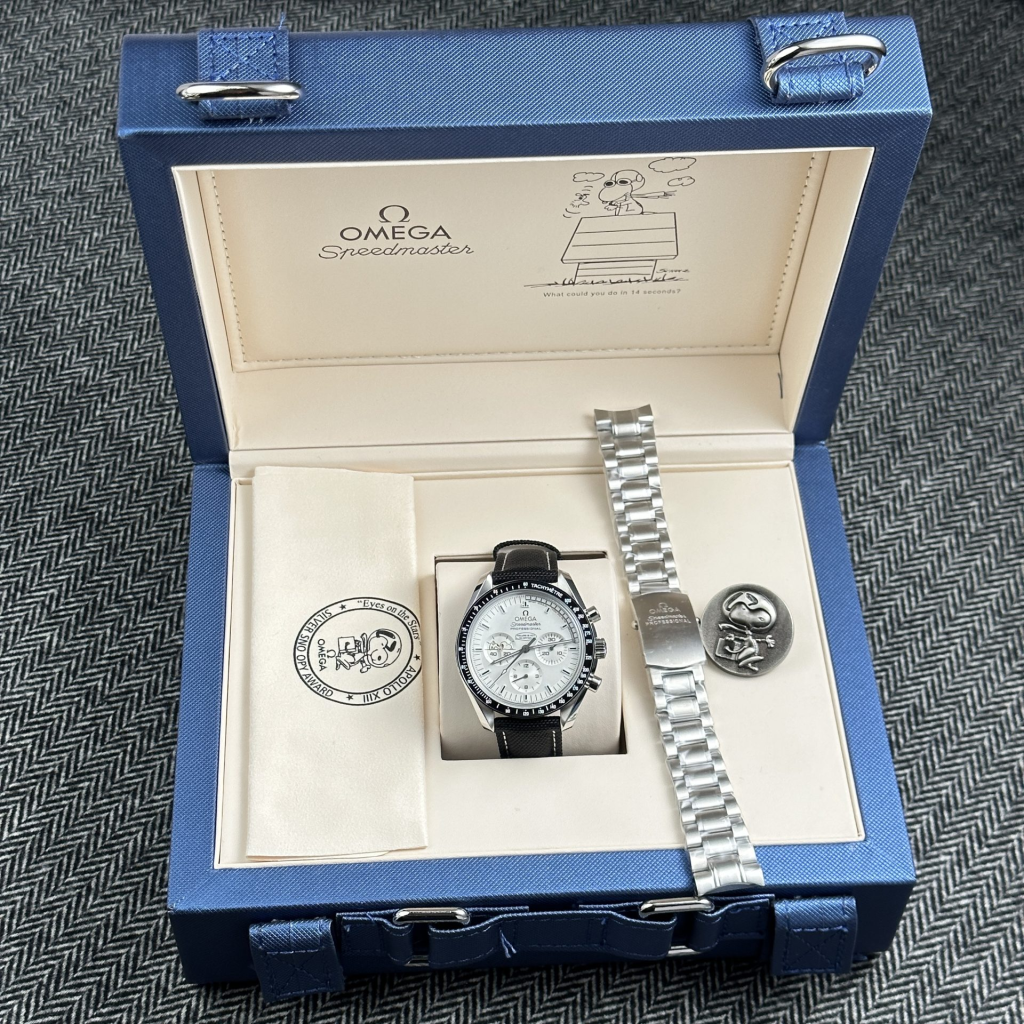
7. Quality control and consistency
Luxury watch brands apply strict quality control standards. Each watch must meet brand-specific tolerances before leaving the factory.
Replica manufacturing focuses on batch production. Quality can vary between units, even within the same model.
This inconsistency is an important factor when comparing replicas to originals.
8. Value and resale considerations
Original luxury watches often retain value and, in some cases, appreciate over time.
Replica watches do not have traditional resale value. They are considered consumable luxury-inspired products, not financial assets.
This distinction is critical for buyers who view watches as investments rather than personal accessories.
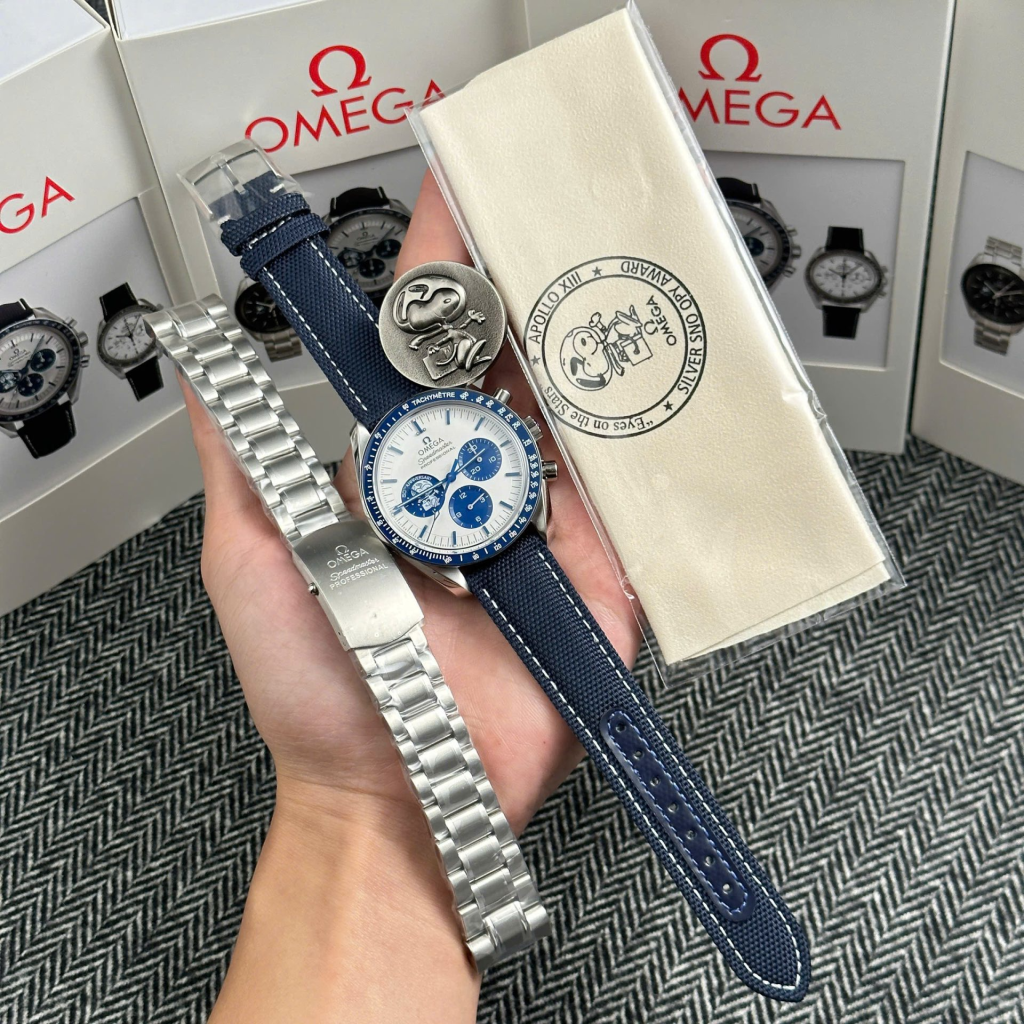
9. Ownership experience and brand value
Owning an original luxury watch includes:
– Brand heritage and history
– Official documentation
– Warranty coverage
– Authorized dealer support
Replica watches offer a different experience focused on appearance and style rather than brand ownership.
The emotional and psychological aspects of ownership differ significantly.
10. Ethical and legal differences
Original watches are protected by intellectual property laws and sold through authorized channels.
Replica watches exist outside these frameworks.
Legal treatment varies by country, particularly regarding manufacturing, selling, importing, and personal possession.
Readers should understand that replicas and originals operate in entirely different legal and ethical contexts.
Common misconceptions in replica vs original comparisons
“High-end replicas are identical to originals”
False. Visual similarity does not equal engineering identity.
“All replicas are poor quality”
False. Quality varies widely depending on production standards.
“Original watches are always perfect”
Also false. Originals can have defects, though they are typically addressed through official service channels.
Understanding these misconceptions leads to more realistic expectations.
Who should choose an original watch?
Original luxury watches are suitable for individuals who value:
– Brand heritage
– Long-term durability
– Investment potential
– Official service support
They are best suited for collectors and enthusiasts seeking full brand ownership.
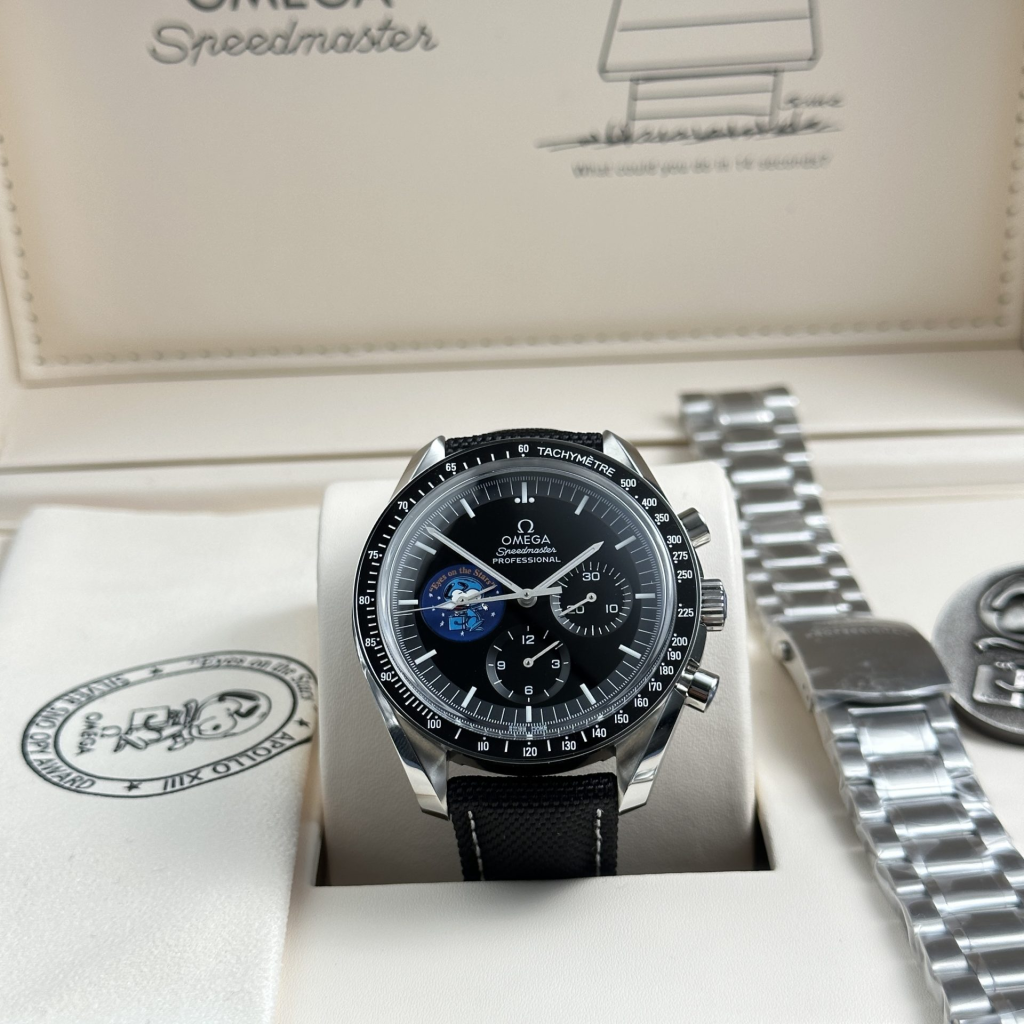
Who might consider a replica watch?
Replica watches may appeal to individuals who:
– Prioritize design and appearance
– Want to explore styles before committing
– Prefer lower financial exposure
– Understand and accept the limitations
Replica watches are about experience, not legacy.
Why realistic expectations matter
Most disappointment comes from misunderstanding.
Expecting a replica to perform, age, and retain value like an original leads to frustration. Expecting an original to provide the same cost-to-appearance ratio as a replica is equally unrealistic.
Clear understanding allows informed decisions.
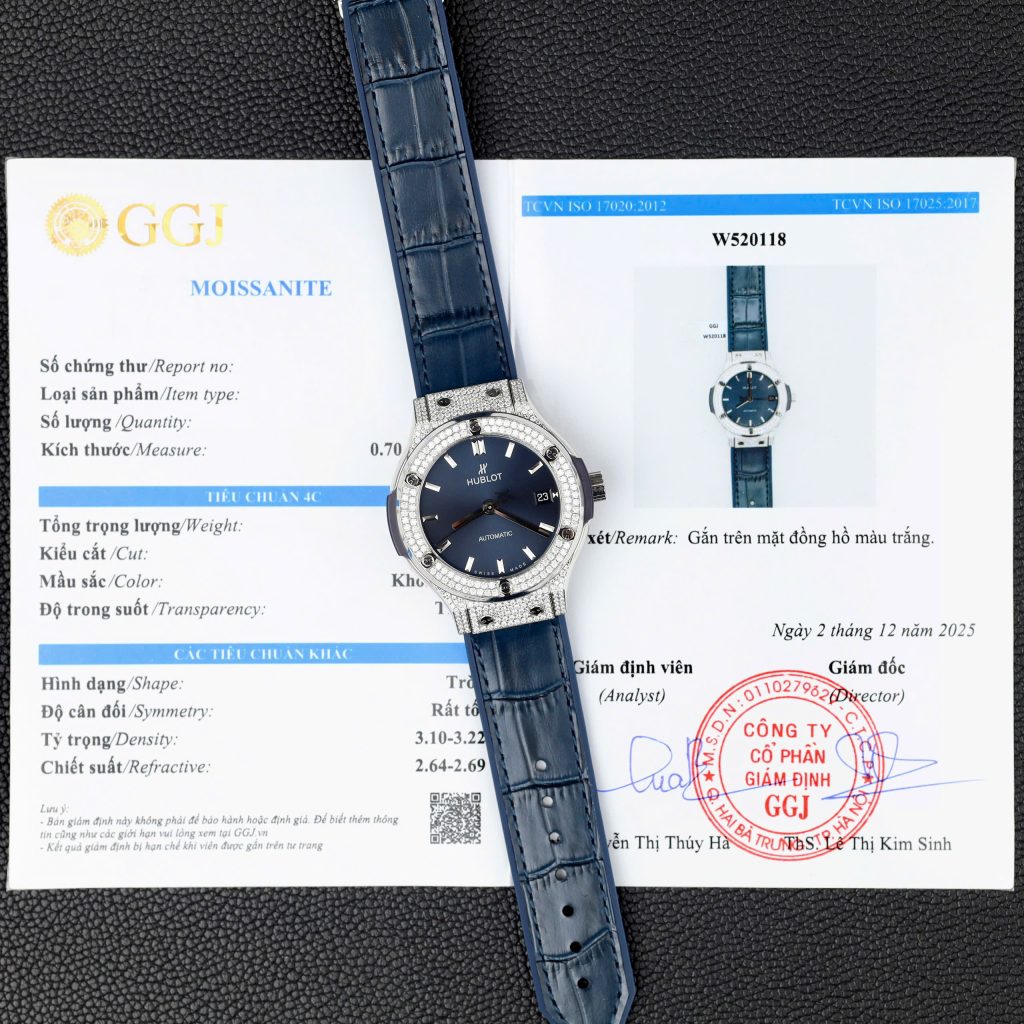
Final comparison summary
A replica watch and an original luxury watch may look similar, but they differ fundamentally in:
– Engineering
– Materials
– Craftsmanship
– Longevity
– Ownership experience
Replica watches are not replacements for originals. They are alternatives for design-focused users who value appearance over brand ownership.
At Min Luxury, our goal is to provide transparent, structured information so readers can understand these differences clearly before forming any conclusions.