

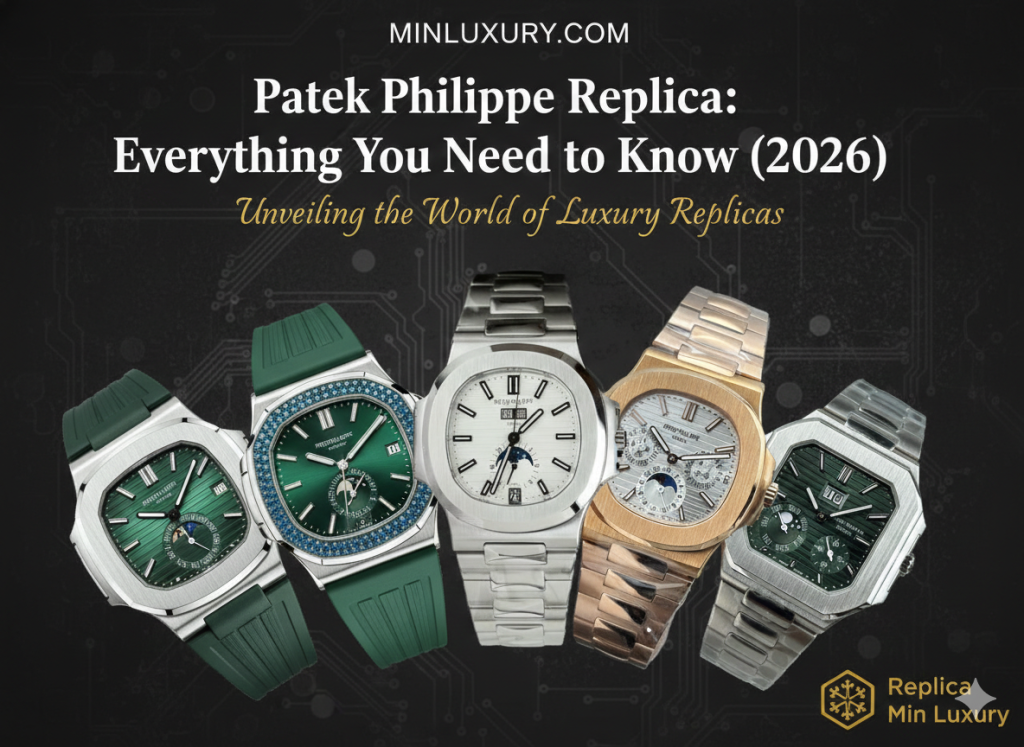
Patek Philippe is one of the most prestigious names in haute horlogerie. When people search for luxury replica watches beyond mainstream sports models, Patek Philippe often becomes the next focus—especially iconic lines like Nautilus and Aquanaut.
However, the phrase “Patek Philippe replica” can mean many different things. Some versions are basic design copies, while others aim for high-end “super clone” accuracy. Because Patek designs combine refined finishing, slim profiles, and intricate dial details, the gap between average replicas and truly high-grade replicas can be significant.
At Min Luxury, our goal is education first. This guide explains everything beginners need to know about Patek Philippe replica watches in 2026—how quality varies, why certain models are harder to replicate, what to look for, and how to set realistic expectations.
Why Patek Philippe replicas are so popular
Patek Philippe occupies a unique position in the luxury watch world:
– Strong status symbolism
– Heritage and exclusivity
– Extremely high retail prices
– Limited availability and high resale values
Many genuine models are inaccessible to most buyers, and some designs are among the most recognized luxury silhouettes globally. That combination creates consistent interest in Patek-inspired or replica alternatives.
What “Patek Philippe replica” actually means
A Patek Philippe replica is an independently produced watch designed to imitate the appearance of a specific Patek Philippe model. It is not produced or authorized by Patek Philippe.
The term describes a category, not a single quality standard.
In 2026, Patek replicas generally fall into three tiers:
– Entry-level replicas (basic design copy)
– Mid-tier replicas (better materials, improved appearance)
– High-end replicas / super clones (closer dimensions, better finishing, improved movements)
Understanding these tiers is essential, because Patek designs are less forgiving than many sports watch styles.
Why Patek replicas are harder than many other luxury replicas
Many Patek Philippe watches are defined by subtle refinement rather than bold design. That makes imperfections easier to notice.
Key challenges include:
– Slim case profiles that are hard to match
– Dial finishing that requires precision
– Bracelet integration (especially Nautilus)
– Complications and movement architecture
– Thin hands, fine markers, and crisp typography
A watch can “look like a Patek” in photos but still feel wrong on the wrist if thickness, bezel shape, or dial texture are slightly off.
The most replicated Patek Philippe lines
Certain Patek models dominate replica demand due to their popularity and recognizability.
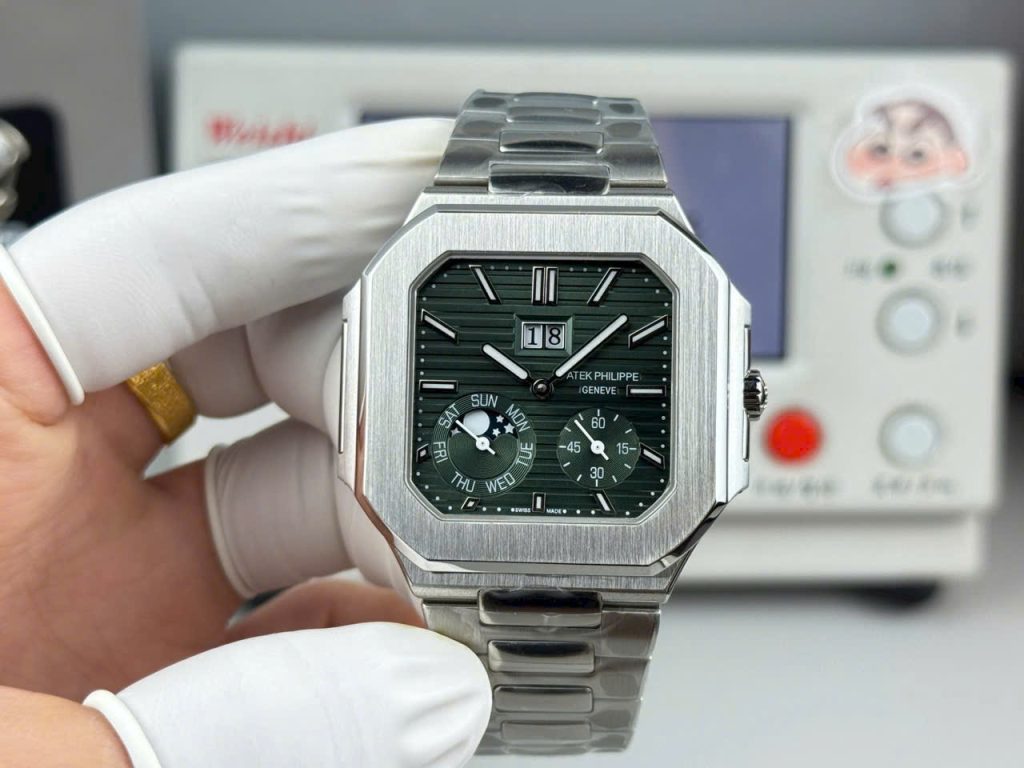
1) Nautilus-style replicas
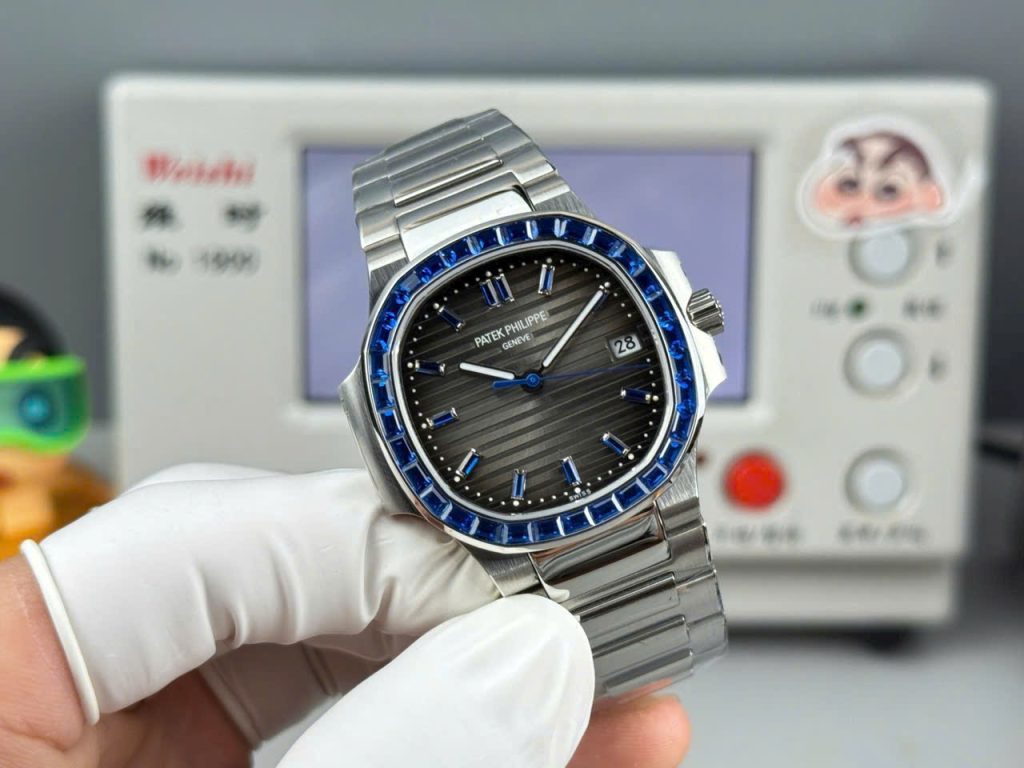
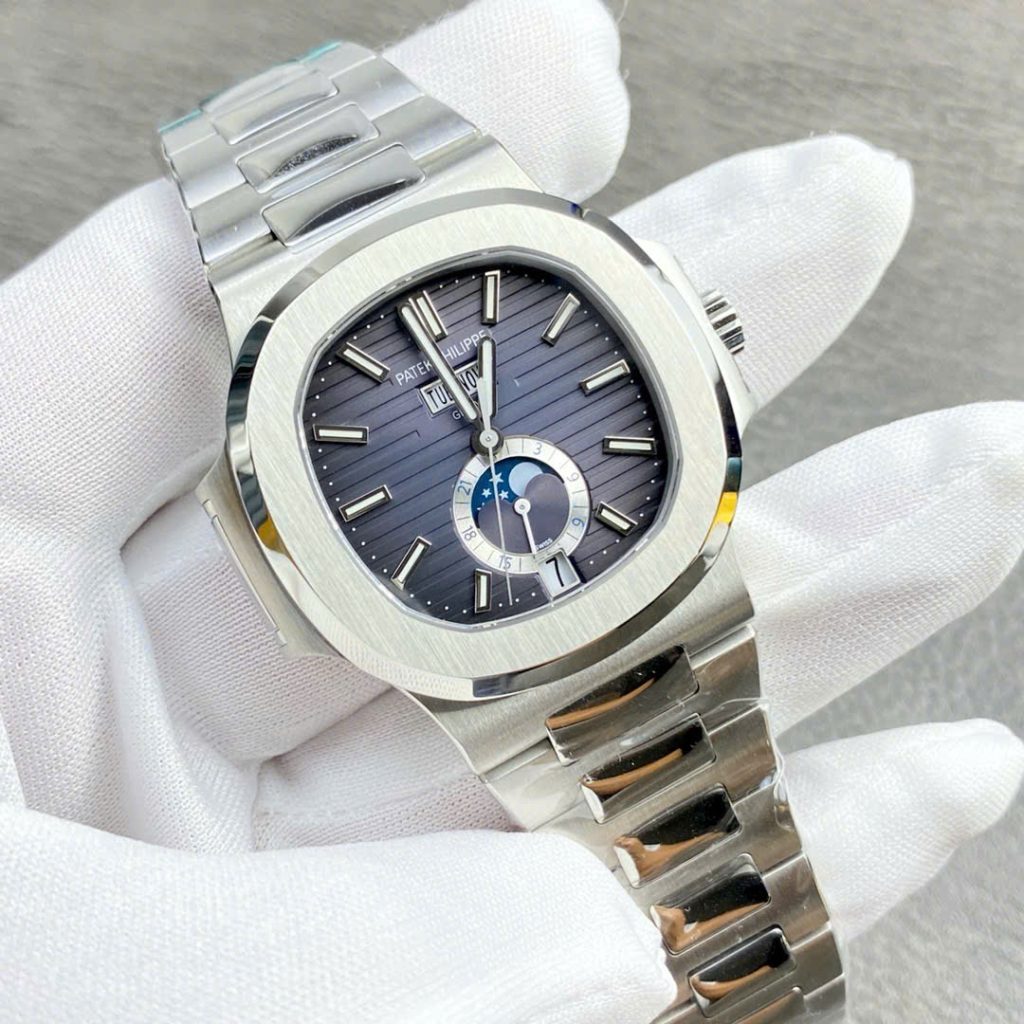
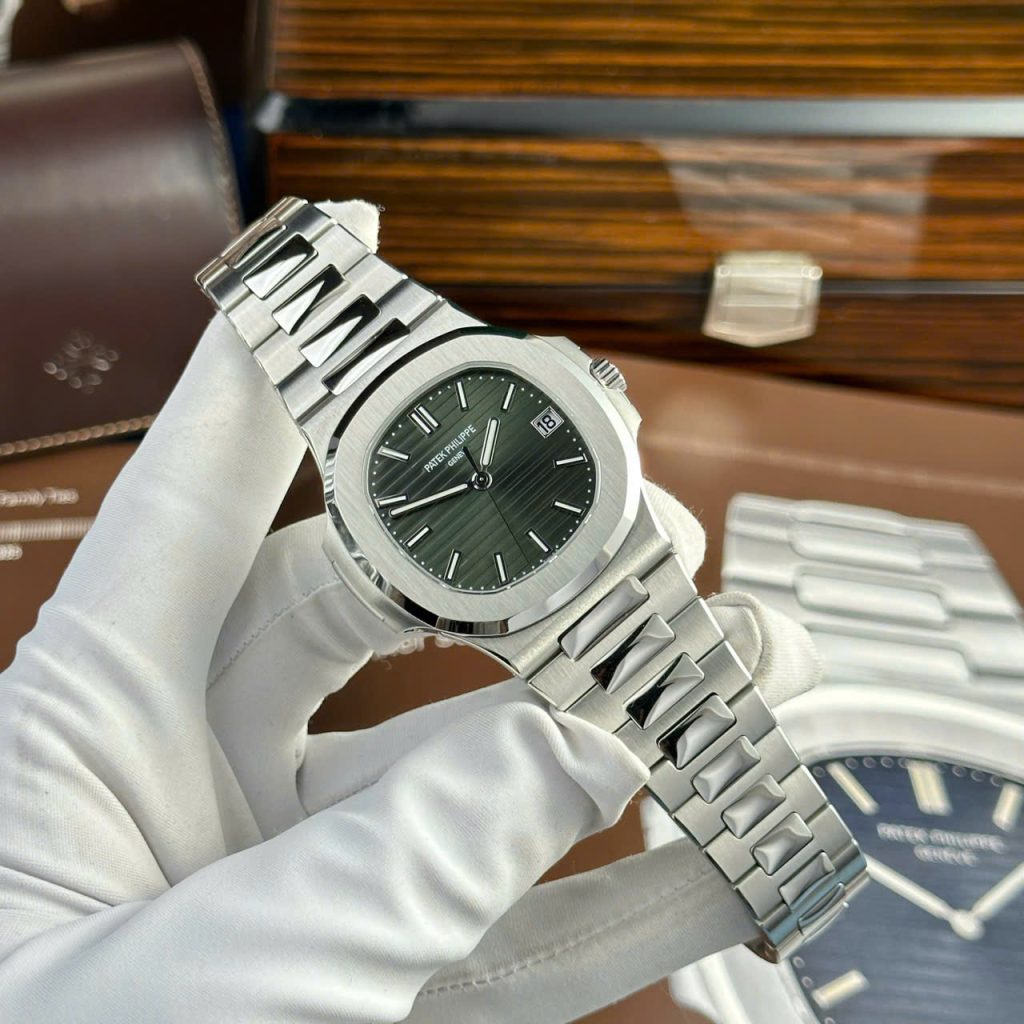
The Nautilus design is iconic: integrated bracelet, rounded octagonal bezel, and horizontally embossed dial.
Why it’s popular:
– Highly recognizable silhouette
– Strong lifestyle and status association
– Very high market price and limited availability
Replica difficulty level:
– Medium to high (bracelet finishing and case shape must be precise)
2) Aquanaut-style replicas
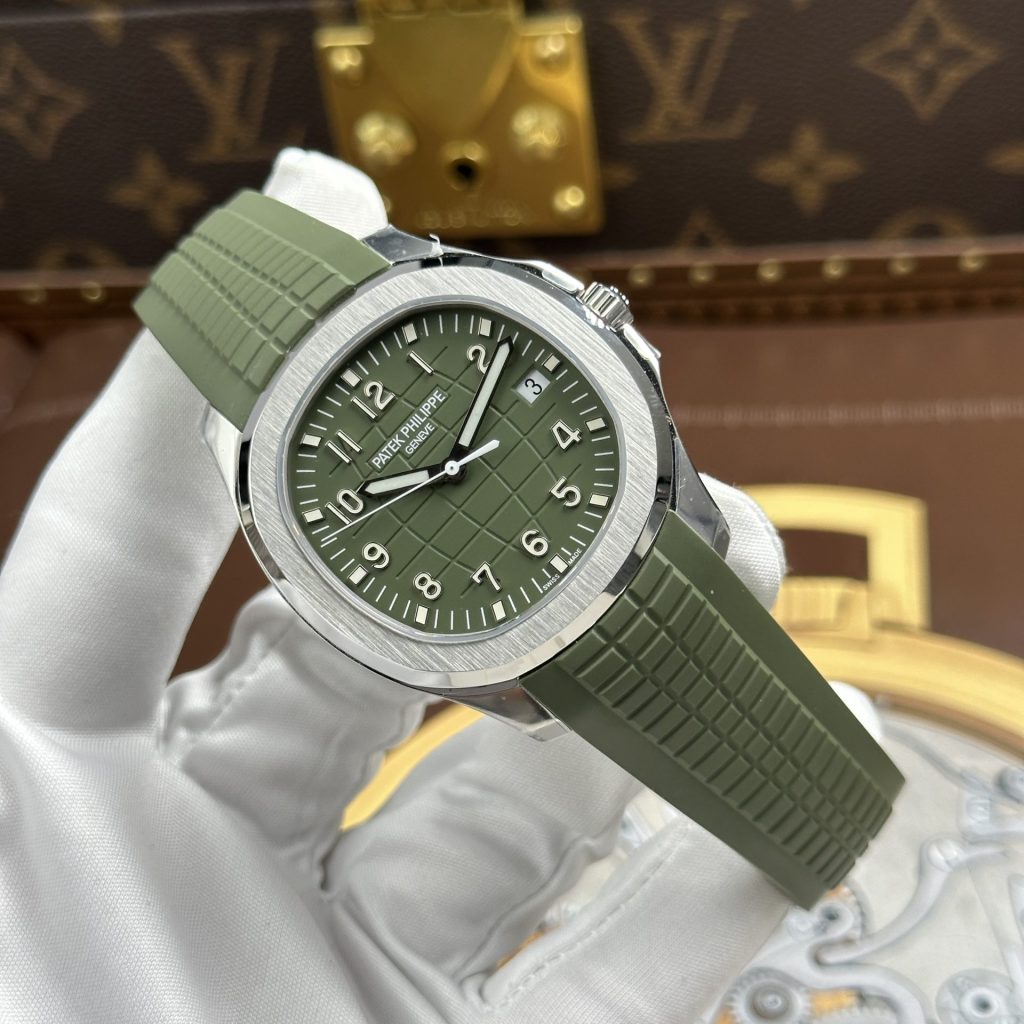
Aquanaut designs are sportier, with rubber straps and clean Arabic numerals on many references.
Why it’s popular:
– Casual luxury aesthetic
– Versatile and wearable
– Strap-based design reduces bracelet complexity
Replica difficulty level:
– Medium (dial texture and case proportions still matter)
3) Calatrava-style replicas (dress models)
Calatrava represents classic dress watch elegance—clean dials, minimal design, thin cases.
Why it’s popular:
– Timeless dress aesthetic
– Understated status
– Easier to wear with formal outfits
Replica difficulty level:
– High (thinness and dial precision expose flaws quickly)
Quality tiers: what to expect realistically
Entry-level Patek replicas
Typical characteristics:
– Generic case molds
– Inaccurate thickness
– Simplified dial textures
– Basic movements
Best for:
– Visual style only, very casual expectations
Main limitation:
– Often look acceptable online but feel less refined in real life
Mid-tier Patek replicas
Typical improvements:
– Better case finishing
– Improved dial printing
– More accurate proportions
– Automatic movements
Best for:
– Beginners who want a better look and daily wear capability
Main limitation:
– Still noticeable differences under close inspection (especially dial texture and bracelet detail)
High-end Patek replicas / “super clones”
Typical features:
– Closer case dimensions
– Better bezel shape accuracy
– More refined dial texture and markers
– Improved movement layout (depending on model)
– Better bracelet engineering (for Nautilus)
Best for:
– Buyers who prioritize realism and understand limitations
Main limitation:
– Not identical to originals; service and long-term reliability vary
Materials: what matters most in Patek replicas
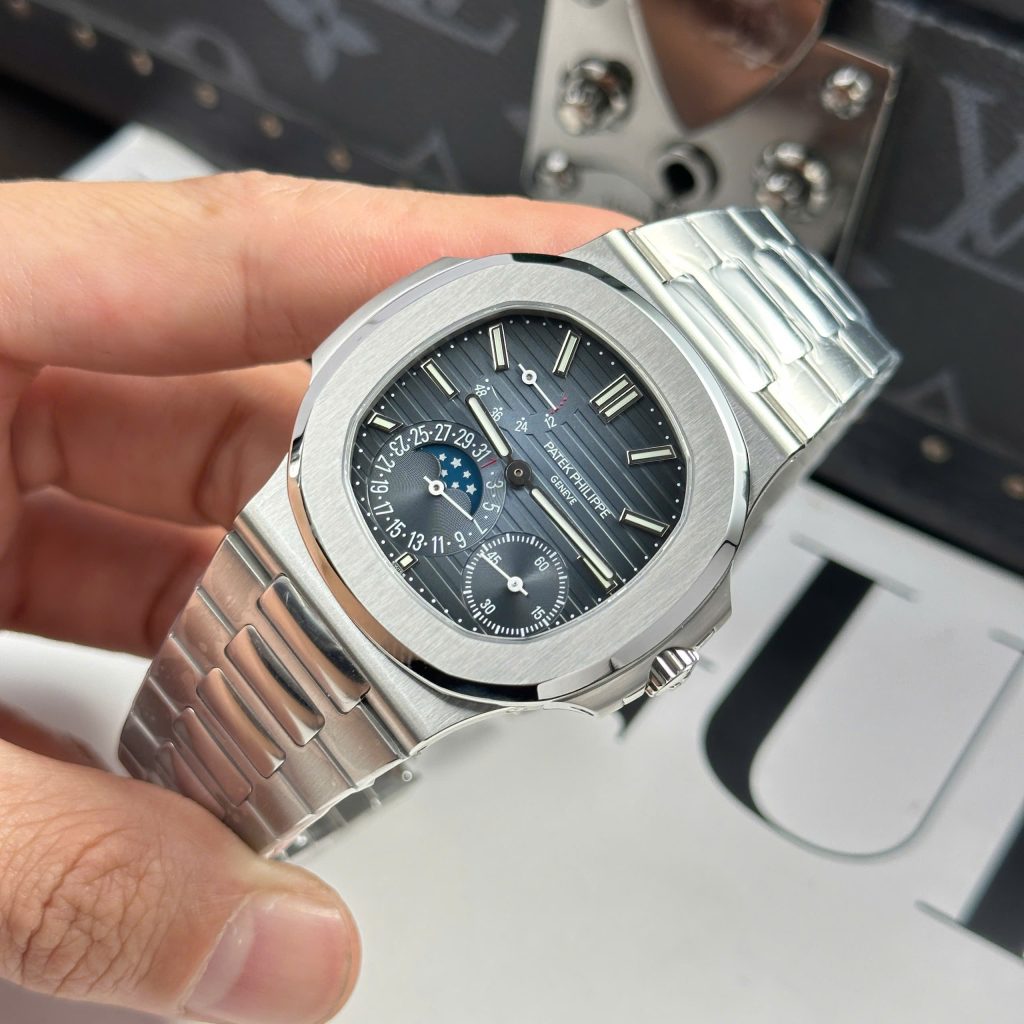
Case and bezel finishing
Patek watches are defined by smooth transitions and refined surface finishing.
High-quality replicas focus on:
– Clean polishing
– Even brushing
– Correct edge definition
– Accurate bezel shape
Low-quality replicas often have:
– Rough edges
– Uneven finishing
– Slightly incorrect bezel curves
Dial texture and printing
For Nautilus and Aquanaut, dial texture is a major tell.
Look for:
– Sharp, consistent horizontal embossing (Nautilus)
– Clean grid or texture pattern (Aquanaut)
– Crisp printing with correct spacing
– Proper marker alignment
Dial accuracy is often the main separator between mid-tier and high-end replicas.
Bracelet vs strap
Integrated bracelets (Nautilus) are complex.
A strong bracelet should have:
– Smooth articulation
– Solid feel
– Clean clasp finishing
– Tight tolerances (minimal rattling)
Aquanaut rubber straps are often easier to execute well, making Aquanaut-style replicas generally more beginner-friendly.
Movements in Patek replicas: what you need to know
Patek Philippe is famous for movement finishing and refinement. Replicas do not use Patek in-house movements.
In replica Patek watches, you typically see:
– Generic automatic movements (entry-level)
– Modified movements (mid-tier)
– Movements designed to mimic layout or functions (high-end)
What movements can do well
– Stable timekeeping (in many cases)
– Basic automatic performance
– Simple date functionality
What movements cannot replicate fully
– True Patek finishing standards
– Original-level thinness and tolerances
– Long-term service support and parts ecosystem
Movement expectations should be realistic: replicas aim for function and visual similarity, not true haute horlogerie engineering.
Thickness: the hidden quality factor
Thickness is a major realism indicator in Patek replicas.
Many replicas appear close in photos but are thicker in real life due to movement constraints.
Why thickness matters:
– Changes wrist profile
– Alters elegance (especially Calatrava)
– Makes the watch feel less “Patek-like”
If realism is a priority, thickness should be one of the first factors you evaluate.
Most “beginner-friendly” Patek replica styles (general guidance)
Without overpromising specific outcomes, these categories tend to perform better:
– Aquanaut-style (strap-based, sport-luxury)
– Simple Nautilus-style (time + date)
– Minimal-complication dress replicas with realistic expectations
Models with complex complications, ultra-thin profiles, or highly refined finishing demands are less forgiving.
Common myths about Patek Philippe replicas
“All Patek replicas are super clones”
False. Many are basic copies.
“A Nautilus replica always looks perfect”
False. Bracelet and dial texture are hard to replicate.
“If it has the right logo, it’s accurate”
False. Accuracy depends on proportions, finishing, and dial details.
“Price guarantees quality”
False. Pricing varies by seller and batch.
How to evaluate a Patek replica before trusting it
At Min Luxury, we recommend a structured evaluation:
– Case shape and thickness (wrist profile)
– Dial texture and printing quality
– Marker alignment and hand finishing
– Bracelet articulation (if applicable)
– Crown feel and date operation
– Overall finishing consistency
No single factor proves “quality.” Quality is a pattern.
Who Patek Philippe replicas are best suited for
Patek replicas may appeal to people who:
– Prefer understated, refined luxury aesthetics
– Want an integrated bracelet sport-luxury look
– Understand subtle differences matter
– Accept that replicas are not originals
They are less suited for users who:
– Expect original-level thinness and finishing
– Want long-term investment value
– Require official servicing support
Final summary
Patek Philippe replica watches represent a more refined and demanding segment of the replica watch market.
In 2026, the most common Patek replicas focus on Nautilus, Aquanaut, and Calatrava-style designs. Quality varies significantly across tiers, and Patek designs are less forgiving because small inaccuracies are easier to notice.
Understanding thickness, dial texture, finishing, and bracelet engineering helps readers evaluate Patek replicas realistically.
At Min Luxury, education comes first. This guide provides a clear foundation for deeper comparisons and model-specific analysis in future articles.