

One of the most searched questions in the luxury watch world is simple: How can you tell if a fake luxury watch?
As replica and super clone watches become more advanced, visual differences are harder to detect. Many people assume there is a single giveaway sign, but in reality, authentication is a process, not a shortcut.
At Min Luxury, we approach this topic from an educational and technical perspective. This guide provides a clear, step-by-step expert checklist to help beginners understand how fake luxury watches are identified in 2026.
This article is informational only and does not replace professional authentication.

Why spotting a fake luxury watch is harder today
A decade ago, fake watches were easy to identify. Poor materials, incorrect logos, and obvious defects made detection simple.
Today, high-end replicas and super clones have changed that reality. Many use:
– Accurate case dimensions
– Sapphire crystal
– Detailed dial printing
– Functional complications
As a result, no single test is sufficient. Experts rely on multiple indicators evaluated together.
The most important rule: never rely on one sign
The biggest mistake beginners make is focusing on one feature, such as weight or logo alignment.
Authenticity is determined by pattern recognition, not isolated flaws.
A watch may pass several checks and still be fake. Conversely, even authentic watches can show minor imperfections.
This checklist is designed to be used as a whole, not individually.
1. Overall finishing and first impression
Experts start with the most basic question: does the watch feel refined?
Luxury watches are known for consistency. The finishing should feel deliberate, balanced, and precise.
Warning signs include:
– Rough edges
– Uneven brushing
– Inconsistent polish
– Sharp transitions between surfaces
High-end replicas can feel impressive, but subtle inconsistencies often appear under careful handling.
2. Weight and balance
Many people believe weight alone reveals a fake. This is no longer true.
However, weight distribution still matters.
Authentic luxury watches feel balanced on the wrist. The case, movement, and bracelet work together to create a stable feel.
Fake watches may feel:
– Slightly top-heavy
– Hollow
– Unbalanced when moving
Weight should be evaluated alongside other indicators.
3. Dial printing and typography
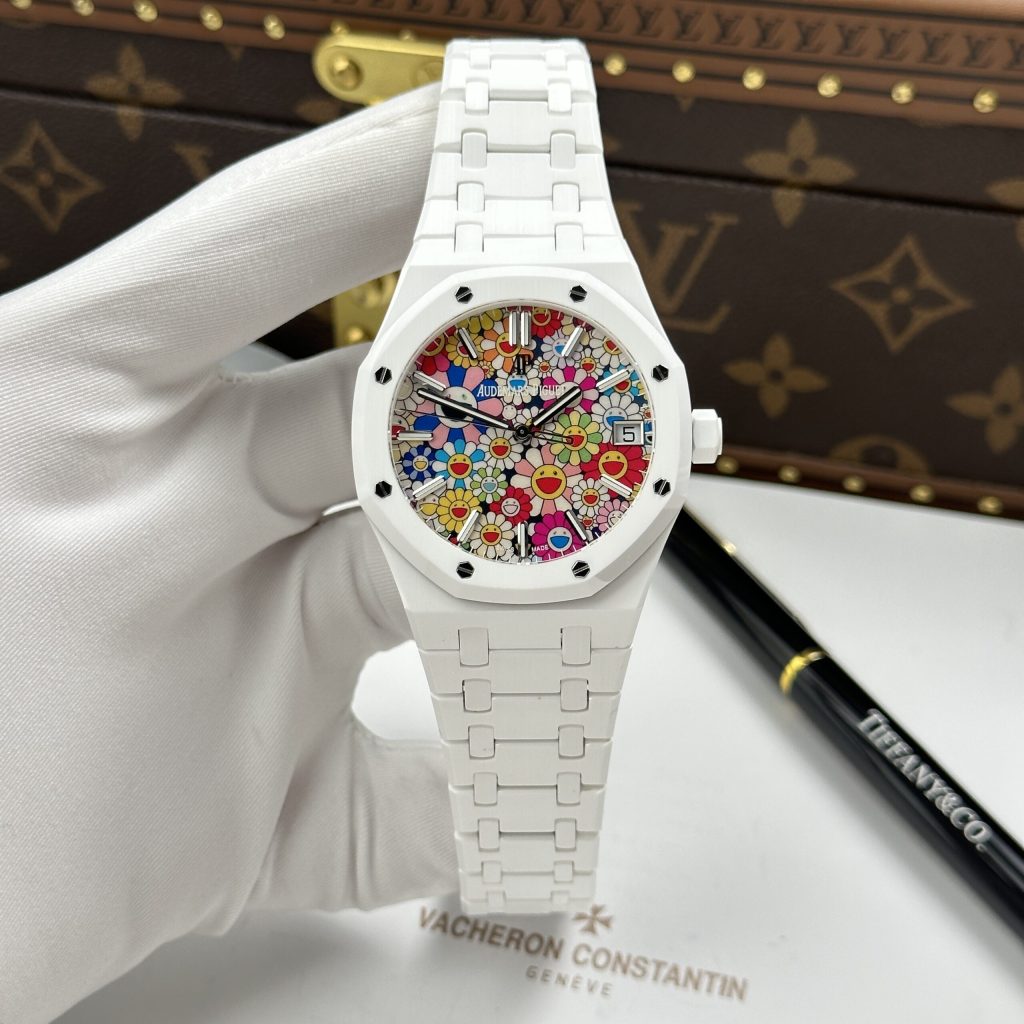
The dial is one of the most revealing areas.
Luxury brands use precise printing techniques. Text is sharp, evenly spaced, and perfectly aligned.
Common signs of a fake dial include:
– Uneven font thickness
– Slightly incorrect letter spacing
– Fuzzy edges under magnification
– Misaligned text relative to markers
Even the best replicas may show microscopic inconsistencies.
4. Hour markers and alignment
Authentic luxury watches have meticulously aligned markers.
Check:
– Alignment with minute track
– Symmetry across the dial
– Consistent spacing
Misaligned hour markers are a strong warning sign, especially on high-end models.
However, alignment must be examined carefully and not assumed based on a quick glance.
5. Hands and hand movement
Luxury watch hands are finished with precision.
Look for:
– Smooth edges
– Consistent polishing
– Proper length relative to dial
Observe hand movement:
– Mechanical watches move smoothly
– Quartz models tick precisely as designed
Jerky movement or incorrect hand length may indicate a fake.
6. Date window and magnification
The date window is a classic authentication point.
Check for:
– Proper alignment in the window
– Correct font style
– Centered numbers
If the watch uses a date magnifier, inspect magnification strength and clarity.
Fakes often have incorrect magnification ratios or distorted lenses.
7. Crown and winding feel
The crown provides valuable tactile information.
Authentic watches typically have:
– Smooth winding
– Consistent resistance
– Secure crown threading
Fake watches may feel:
– Gritty
– Loose
– Inconsistent when winding
Crown behavior reveals movement quality and assembly standards.
8. Caseback details
Examine the caseback carefully.
Authentic watches often feature:
– Precise engravings
– Correct fonts and spacing
– Clean finishing
Clear casebacks allow movement inspection, which is discussed later.
Fake watches may have shallow engravings or incorrect text placement.
9. Bracelet and clasp quality
Bracelets are often overlooked but extremely revealing.
Check for:
– Smooth articulation
– No sharp edges
– Secure clasp operation
Luxury watch bracelets feel solid and refined. Poor bracelet quality is a common weakness in replicas.
10. Sound of the movement
While not definitive, sound can provide clues.
Mechanical watches should have a consistent, subtle sound.
Loud ticking or irregular noise may indicate a lower-quality movement.
This test requires experience and should not be used alone.
11. Movement inspection (advanced)
Movement inspection is the most technical step.
Authentic luxury movements show:
– Clean finishing
– Brand-specific architecture
– Precise engraving
Replica movements may mimic layout but differ in finishing, screw placement, and component quality.
Movement inspection usually requires opening the watch and professional knowledge.
12. Serial numbers and reference codes
Luxury watches use serial numbers and reference codes for tracking.
Check for:
– Proper engraving style
– Correct placement
– Matching documentation (if available)
Be aware: many replicas copy serial numbers, so this check alone is not conclusive.
13. Documentation and packaging
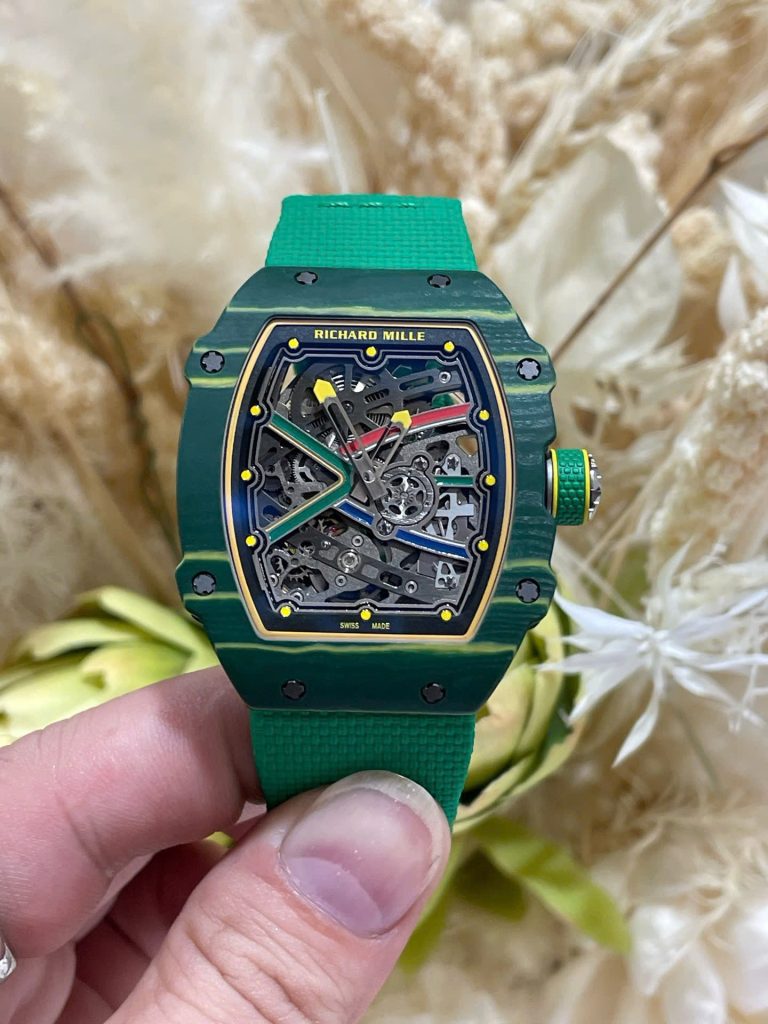
Authentic watches often include:
– Warranty cards
– Instruction manuals
– Official packaging
However, fake packaging has improved significantly.
Packaging should support authenticity, not define it.
14. Price realism
Price is one of the simplest yet most ignored indicators.
If a deal seems too good to be true, it often is.
Authentic luxury watches maintain relatively stable market prices. Extreme discounts should raise immediate concern.
15. Seller credibility
Where the watch comes from matters.
Consider:
– Seller reputation
– Transparency
– Willingness to provide information
– Return policies
Unknown sellers offering pressure tactics are a major red flag.
Why professionals use multiple checks
Professional authenticators do not rely on a single test.
They evaluate:
– Visual cues
– Mechanical behavior
– Material consistency
– Historical reference knowledge
This layered approach reduces error and increases confidence.
Common myths about spotting fake watches
“Weight alone proves authenticity”
False. Replicas can match weight closely.
“All fakes have obvious flaws”
False. High-end replicas are extremely refined.
“Serial numbers guarantee authenticity”
False. Numbers can be copied.
Understanding these myths prevents false confidence.
When to seek professional authentication
If a watch involves:
– High financial value
– Resale or investment intent
– Uncertain provenance
Professional authentication is recommended.
Expert evaluation uses tools and references beyond visual inspection.
Why education matters in authentication
The goal of this guide is not to turn readers into experts overnight.
It is to provide realistic awareness.
Understanding how experts think helps beginners avoid assumptions and recognize when further verification is necessary.
At Min Luxury, we believe education is the foundation of informed decisions.
Final checklist summary
To spot a fake luxury watch, examine:
– Overall finishing
– Dial printing and alignment
– Hands and movement behavior
– Case, bracelet, and clasp quality
– Movement details (when possible)
– Seller credibility and price realism
No single sign proves authenticity. Patterns matter.
Final thoughts from Min Luxury
As replica and super clone watches continue to evolve, spotting a fake luxury watch requires patience, knowledge, and realistic expectations.
This guide provides a structured foundation for understanding the authentication process. It should be used as a learning tool, not a final verdict.
Min Luxury remains committed to delivering clear, unbiased information to help readers navigate the complex world of luxury and replica watches responsibly.